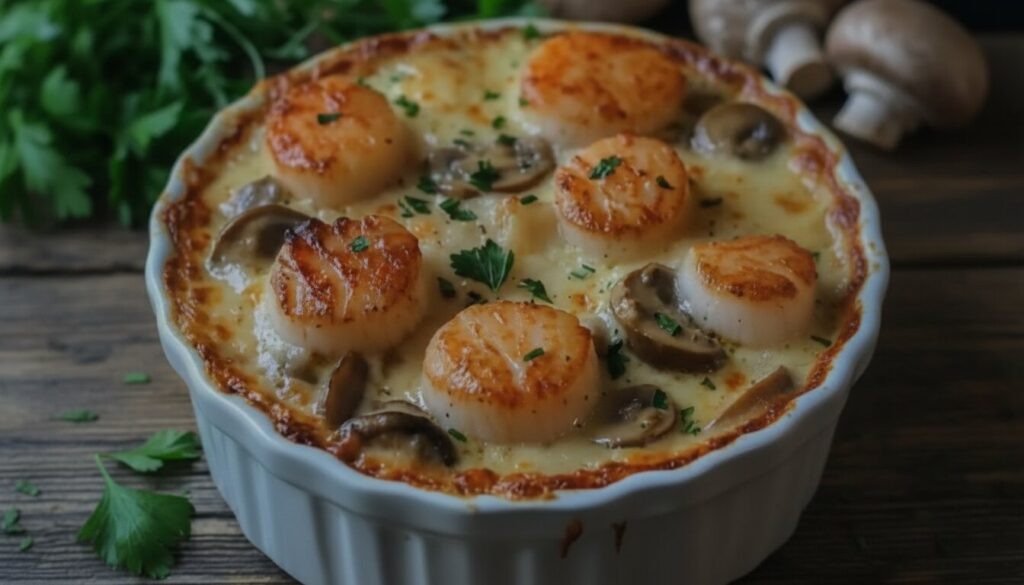
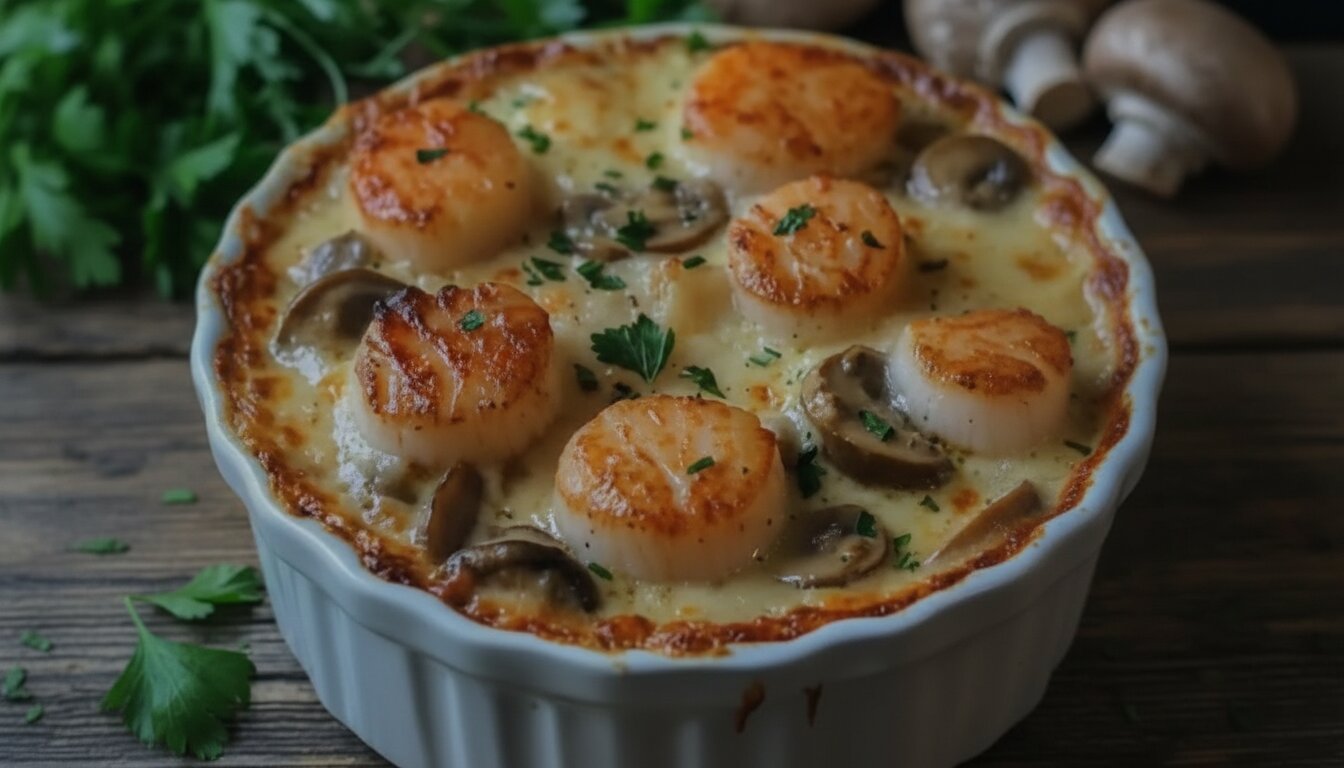
If you are looking to elevate your weekend dinner plans or impress guests at your next gathering, this Gourmet Seafood Cassolette recipe is the ultimate solution. Perfectly balancing elegance with simplicity, this dish brings the coastal flavors of the Mediterranean straight to your kitchen. While many people associate a seafood bake recipe with heavy breading or overly salty seasonings, our version focuses on the brightness of fresh ingredients and a velvety, light sauce.
This Mediterranean seafood casserole is more than just a meal; it is a celebration of the sea. By combining succulent shrimp, tender scallops, and flaky white fish in a creamy seafood casserole base, we’ve created a dish that is rich in flavor yet surprisingly healthy. Whether you are a seasoned home cook or a beginner, this guide will walk you through crafting a restaurant-quality meal that fits perfectly within a heart-healthy Mediterranean lifestyle.
What Is Seafood Cassolette?
To understand the seafood cassolette, we must look to its French roots. The term “cassolette” refers to the small, circular earthenware pot in which the dish is traditionally baked and served. Unlike a massive family-style seafood bake recipe, which might be spread across a sheet pan or a large tray, a cassolette is often prepared in individual portions, though it can be adapted for a larger communal dish.
The primary difference lies in the texture and technique. While a standard “bake” might be dry or focused on roasted vegetables, a cassolette features a delicate, sauce-based environment that poaches the seafood as it bakes. It fits perfectly into Mediterranean cuisine because it emphasizes high-quality proteins, aromatic herbs, and the communal joy of dipping crusty bread into a flavorful sauce.
Why This Mediterranean Seafood Casserole Is Healthier
Traditional creamy dishes often rely on heavy butter and thickeners that can leave you feeling sluggish. This Mediterranean seafood casserole takes a different approach. By prioritizing heart-healthy fats and lean proteins, we align with the principles of the Mediterranean diet—consistently ranked as one of the world’s healthiest.
- Olive Oil vs. Butter: We swap heavy butter bases for extra virgin olive oil to sauté our aromatics, providing antioxidants and healthy monounsaturated fats.
- Lean Protein: Seafood is a powerhouse of Omega-3 fatty acids, which are essential for heart and brain health.
- Lighter Base: Instead of a heavy flour-based roux, we use a touch of light cream or even Greek yogurt for a tangy, probiotic-rich alternative.
- Fresh Produce: The inclusion of cherry tomatoes and shallots adds fiber and essential vitamins without adding significant calories.
Internal Link Opportunity: If you love the health benefits of ocean-inspired meals, check out our guide onThe Best Mediterranean Fish Recipes for Weight Lossusing the anchor text “Mediterranean fish recipes.”
Ingredients for a Creamy Seafood Casserole
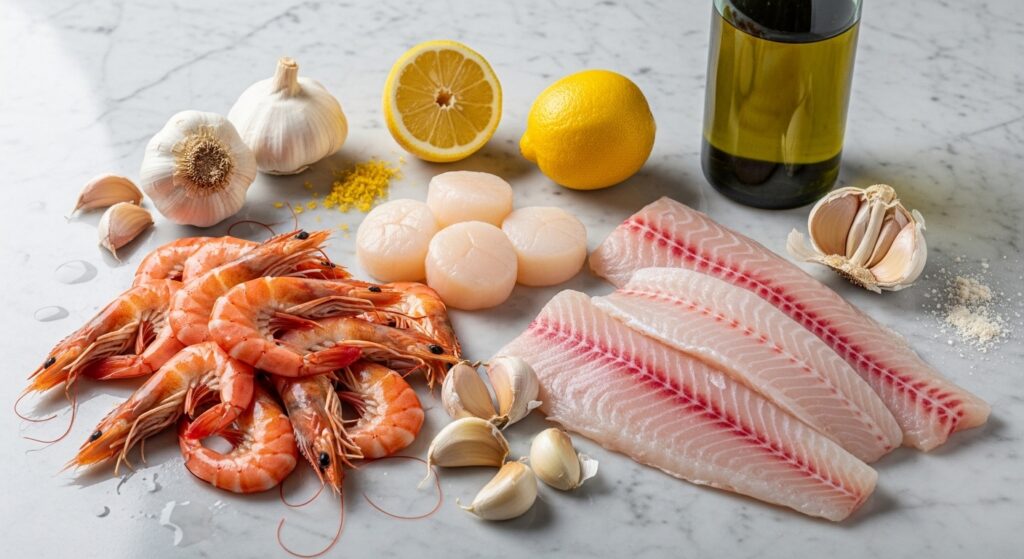
To achieve the perfect creamy seafood casserole, the quality of your ingredients is paramount. Here is what you will need:
Fresh Seafood Choices
- Shrimp: Large, peeled, and deveined (tail on or off, depending on preference).
- Scallops: Sea scallops provide a buttery texture that anchors the dish.
- White Fish: Cod, halibut, or sea bass work beautifully as they hold their shape.
- Mussels (Optional): Add these for a dramatic, gourmet presentation.
Mediterranean Flavor Builders
- Garlic & Shallots: The foundation of any savory Mediterranean dish.
- Cherry Tomatoes: These burst during baking to create a natural, acidic juice.
- White Wine: A dry Sauvignon Blanc or Pinot Grigio adds necessary acidity.
- Herbs: Fresh thyme and Italian parsley are non-negotiable for that authentic aroma.
- Lemon Zest: Lifts the heaviness of the cream and brightens the seafood.
Creamy Sauce Base
- Light Cream: Just enough to coat the seafood without drowning it.
- Parmesan Cheese: Provides a salty, umami crust when baked.
- Extra Virgin Olive Oil: For sautéing and drizzling at the end.
How to Make an Easy Seafood Casserole Recipe
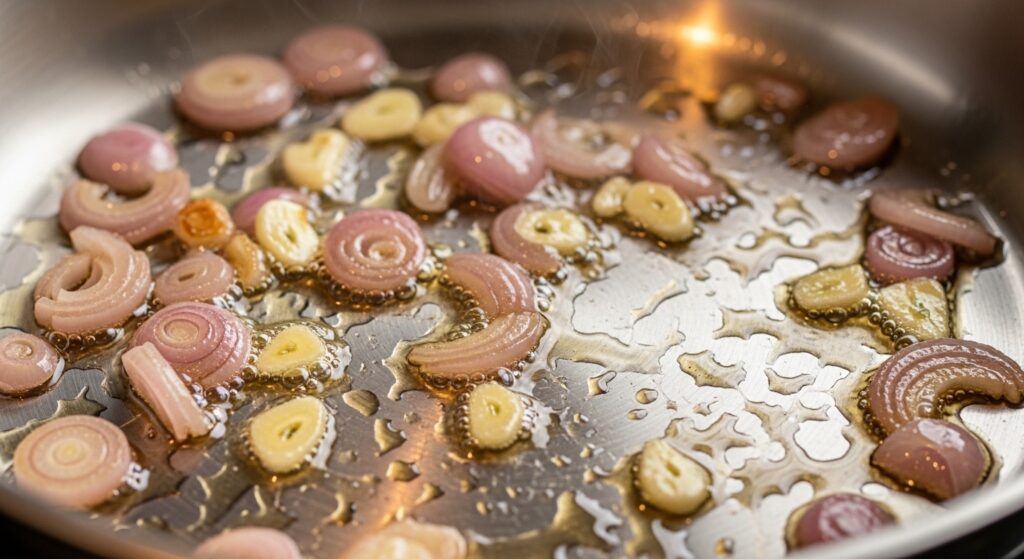
Follow these steps to master this easy seafood casserole recipe in under 45 minutes.
- Preheat Oven: Set your oven to 400°F (200°C).
- Sauté Aromatics: In a pan with olive oil, sauté shallots and garlic until translucent.
- Deglaze: Pour in the white wine and let it reduce by half, scraping up the flavorful bits from the pan.
- Add Seafood: Gently toss your shrimp, scallops, and fish in the pan for just 1-2 minutes—not to cook through, but to coat them in the aromatics.
- Prepare Sauce: Stir in your light cream, lemon zest, and fresh herbs.
- Assemble: Transfer the mixture into individual ramekins or a medium casserole dish. Top with a light dusting of Parmesan.
- Bake: Place in the oven for 12–15 minutes until the sauce is bubbly and the top is golden brown.
Ingredients
Method
- Prep: Preheat oven to 400°F. Lightly grease four 8-oz ramekins or one medium baking dish with olive oil.
- Aromatics: Heat olive oil in a large skillet over medium heat. Add shallots and garlic; sauté for 3 minutes until fragrant.
- Deglaze: Add white wine to the skillet. Simmer for 3-4 minutes until reduced by half.
- Combine: Add shrimp, scallops, fish, and cherry tomatoes to the skillet. Stir gently for 1 minute just to coat.
- Sauce: Stir in the light cream, lemon zest, thyme, salt, and pepper. Remove from heat immediately.
- Bake: Divide the mixture into ramekins. Sprinkle with Parmesan. Bake for 12–15 minutes until the seafood is cooked and the top is golden.
- Serve: Garnish with fresh parsley and serve immediately with crusty bread.
Notes
- Seafood Prep: Always pat shrimp and scallops completely dry with a paper towel before sautéing. This ensures a proper sear and prevents the sauce from becoming watery.
- Wine Selection: Use a crisp, dry white wine like Sauvignon Blanc or Pinot Grigio. Avoid “Cooking Wine” as it contains high levels of salt that can ruin the delicate seafood flavor.
- Vegetable Variations: For extra nutrients, stir in a handful of baby spinach or blanched asparagus tips right before transferring the mixture to the baking dish.
- Don’t Overcrowd: If using individual ramekins, ensure the seafood is in a single layer or only slightly overlapping to allow the heat to circulate evenly.
- Make it Dairy-Free: Replace the light cream with full-fat coconut milk or a splash of unsweetened cashew cream for a Mediterranean-style dairy alternative.
- Serving Tip: Serve immediately. Seafood continues to cook in the residual heat of the creamy sauce, so “resting” this dish is not recommended.
How This Differs from a Traditional French Seafood Casserole
While a French seafood casserole (like a Cassolette de Saint-Jacques) often leans heavily on Gruyère cheese and thick Béchamel sauce, our Mediterranean version is much more vibrant. By focusing on olive oil and fresh vegetables like cherry tomatoes, we reduce the calorie count while increasing the nutrient density. This semantic shift in ingredients makes the dish feel lighter and more suitable for year-round dining rather than just a heavy winter meal.
Internal Link Opportunity: New to cooking from the sea? Read ourwith the anchor text “sourcing fresh seafood.”
Tips for the Perfect Seafood Bake Recipe
- Don’t Overcook: Seafood continues to cook after it leaves the oven. Remove the dish when the shrimp are just pink and the fish flakes easily.
- Dry Your Seafood: Pat your shrimp and scallops dry with a paper towel before sautéing to ensure they sear rather than steam.
- Choose Dry Wine: Avoid “cooking wines” which contain excess salt. Use a wine you would actually enjoy drinking.
- The Broiler Trick: If your cheese isn’t golden after 15 minutes, pop it under the broiler for 60 seconds.
Serving Suggestions
A Gourmet Seafood Cassolette recipe deserves the right accompaniments:
- Bread: Crusty sourdough or herb-infused focaccia is essential for soaking up the creamy sauce.
- Salad: A crisp Greek salad with feta and kalamata olives provides a nice textural contrast.
- Wine Pairing: Pair with the same dry white wine used in the recipe, like a crisp Vermentino.
Storage & Reheating Tips
- Refrigeration: Store leftovers in an airtight container for up to 2 days.
- Freezing: We do not recommend freezing this dish, as the cream sauce can break and the seafood texture becomes rubbery.
- Reheating: To prevent overcooking, reheat in a 300°F oven covered with foil until just warmed through. Avoid the microwave if possible!
Frequently Asked Questions
Is seafood cassolette the same as seafood casserole?
Essentially, yes. “Cassolette” refers to the specific French baking vessel and a slightly more refined presentation, while “casserole” is the broader English term for the dish.
Can I make seafood cassolette ahead of time?
You can prep the aromatics and sauce ahead of time, but for the best results, do not combine and bake until you are ready to serve. Seafood is best when freshly cooked.
What seafood works best in a seafood bake recipe?
Firm white fish like cod or halibut are best. Avoid delicate fish like tilapia or sole, as they may disintegrate in the sauce.
Can I make a dairy-free Mediterranean seafood casserole?
Yes! Substitute the light cream with full-fat coconut milk or a cashew-based cream, and use nutritional yeast instead of Parmesan.
How do I prevent rubbery shrimp?
The key is to minimize “double cooking.” Only sauté them for a minute before baking, and ensure your oven is fully preheated.