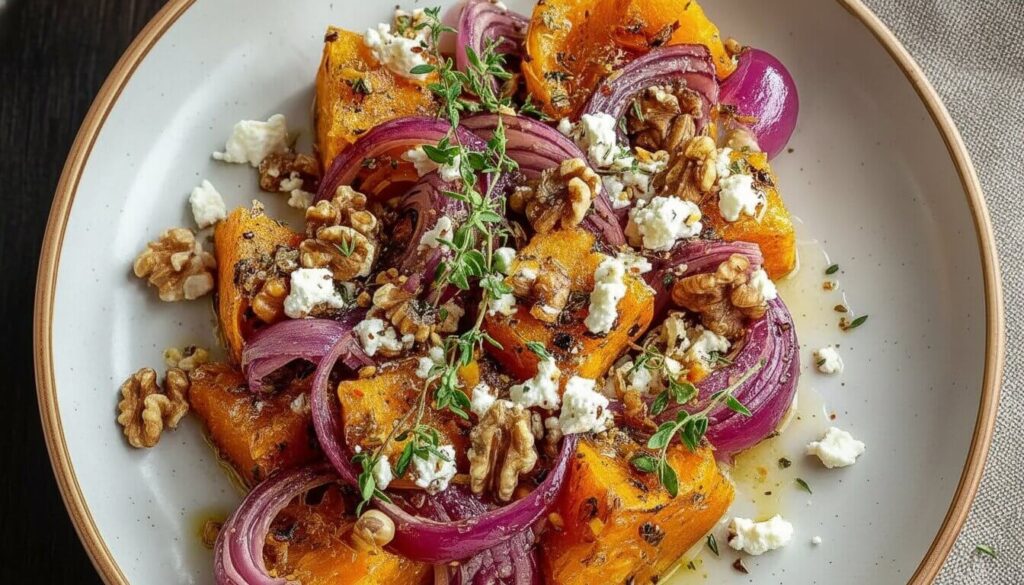
Welcome to your new favorite autumn staple. If you are looking for a dish that captures the golden essence of the season while staying true to the vibrant principles of the Mediterranean Diet, you have arrived at the perfect place. This Maple Roasted Butternut Squash with Red Onion, Walnuts, and Feta Recipe is the ultimate study in flavor contrast.
As the weather cools, our kitchens naturally gravitate toward heartier fare. This dish delivers a sweet-savory roasted vegetable profile that feels both comforting and sophisticated. We’ve taken the humble butternut squash and elevated it with a silky maple glaze, the sharp bite of caramelized red onions, the earthy crunch of toasted walnuts, and the unmistakable salty tang of high-quality Mediterranean feta.
Whether you are hunting for an easy Mediterranean side dish for a busy Tuesday night or a show-stopping addition to your holiday spread, this recipe fits the bill. It’s naturally vegetarian, incredibly versatile, and brings a modern twist to traditional earthy flavors. It works beautifully as a standalone side, a warm salad base, or a colorful centerpiece for a festive gathering.
Why You’ll Love This Maple Roasted Butternut Squash Recipe
There is a reason this specific combination of ingredients has become a cornerstone of modern Easy Mediterranean Recipes. Here is why this dish will earn a permanent spot in your digital recipe box:
- Perfect Flavor Balance: The natural sugars in the squash and maple syrup are perfectly offset by the brine of the feta and the slight bitterness of the walnuts.
- Minimal Prep, Maximum Impact: With just a few minutes of chopping, the oven does the heavy lifting, transforming raw vegetables into caramelized gold.
- Naturally Vegetarian: A crowd-pleasing option that ensures everyone at the table has a nutrient-dense, delicious choice.
- Holiday-Ready Elegance: While simple enough for meal prep, the vibrant colors of the orange squash, purple onions, and white feta make it look like a gourmet creation.
- Nutritional Powerhouse: Packed with fiber, antioxidants, and healthy fats, it’s a guilt-free addition to any meal.
Ingredients Breakdown & Substitution Ideas
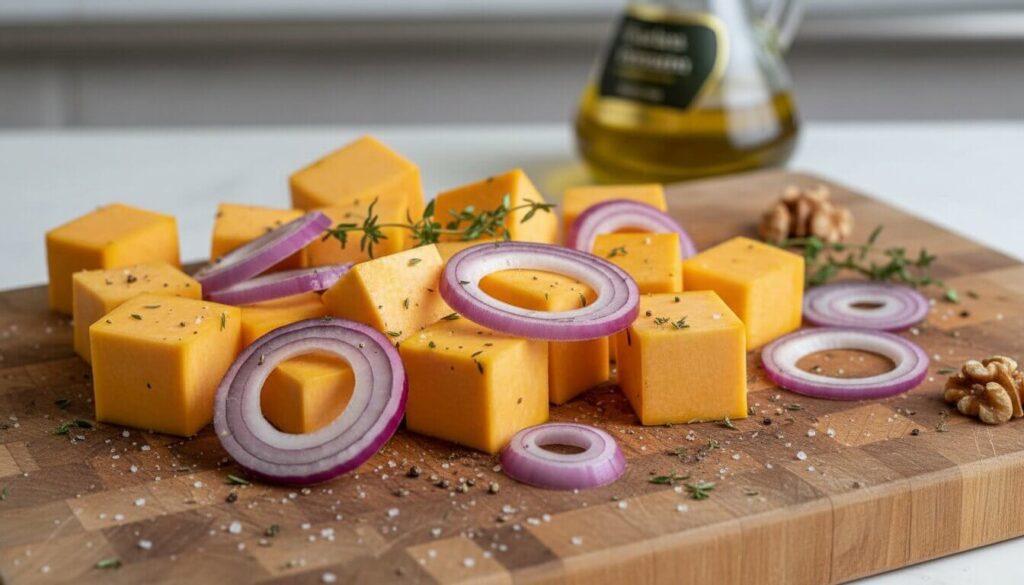
To achieve the best results, the quality of your ingredients matters. Let’s dive into what makes this butternut squash with feta and walnuts so special and how you can tweak it based on what’s in your pantry.
3.1 Butternut Squash (or Pumpkin)
The star of the show! When roasted at high heat, butternut squash loses its starchiness and develops a creamy, custard-like interior. If you can’t find butternut, pumpkin, acorn squash, or even sweet potatoes make excellent substitutes. For a unique twist, you might even try a Layered Sweet Potato, Squash & Carrot Bake.
3.2 Red Onion
Red onions are non-negotiable for the best color palette, but they also provide a specific jammy sweetness when roasted. If you prefer a milder profile, shallots are a fantastic alternative.
3.3 Olive Oil & Seasoning
In Mediterranean cooking, extra virgin olive oil is the liquid gold that carries all the flavor. It ensures the squash crisps up without drying out. A generous pinch of sea salt and cracked black pepper is essential to balance the maple syrup.
3.4 Maple Syrup
Real Grade A maple syrup provides a complex, woody sweetness that pancake syrup simply cannot replicate. If you want to keep it strictly Mediterranean, honey or date syrup are wonderful natural sweeteners to swap in.
3.5 Feta Cheese
Feta provides the necessary “acid” and salt to cut through the sweetness. For a creamier finish, try goat cheese. If you want a firmer bite, ricotta salata is a hidden gem. For those following a plant-based lifestyle, many high-quality almond-based feta alternatives are now available.
3.6 Walnuts
Walnuts offer a rich, earthy crunch. To maximize flavor, I recommend using toasted walnuts. If you have an allergy or preference, pecans, slivered almonds, or even pine nuts work beautifully.
3.7 Fresh Herbs & Optional Heat
Fresh thyme is the classic pairing here, but parsley adds a bright, grassy finish. If you like a “sweet heat” profile, a pinch of chili flakes sprinkled over the maple glaze is a game-changer.
Step-by-Step Instructions
Follow these steps to ensure your maple-roasted butternut squash comes out perfectly every single time.
Step 1: Preparing the Vegetables
Start by peeling and deseeding your squash. The secret to a professional result is uniformity. Cut your squash into even 1-inch cubes. If the pieces vary too much in size, the small ones will burn before the large ones are tender. Toss them in a large bowl with the sliced red onions and a generous glug of olive oil.
Step 2: Roasting for Maximum Caramelization
Spread the vegetables on a large baking sheet. Crucial Tip: Ensure they are in a single layer. If you crowd the pan, the vegetables will steam instead of roast, and you’ll miss out on those crispy, caramelized edges. Toss them halfway through the cooking time to ensure even browning.
Step 3: Adding Maple Syrup at the Right Time
We don’t add the maple syrup at the very beginning. Because of its high sugar content, it can burn if left in a 400°F oven for 40 minutes. Instead, drizzle the syrup over the squash during the last 10–15 minutes of roasting. This allows it to bubble and glaze the vegetables without turning bitter.
Step 4: Final Assembly
Once out of the oven, let the squash sit for two minutes. Add the crumbled feta while the vegetables are still warm—this allows the cheese to soften slightly but not melt completely. Finish with a shower of toasted walnuts and fresh herbs.
Pro Tips for Perfect Roasted Butternut Squash
- High Heat is Key: Don’t be afraid of 400°F (200°C). This high temperature is what creates the “maillard reaction,” giving you those delicious charred bits.
- Dry Your Squash: If your squash is damp after cutting, pat it dry with a paper towel. Moisture is the enemy of a good roast.
- The “Fork Tender” Test: Your squash should offer zero resistance when pierced with a fork but should still hold its square shape.
- Salt Early, Sweeten Late: Always salt your vegetables before they go in the oven to draw out moisture and season the interior; save the sugars for the finish.
Serving Suggestions & Pairings
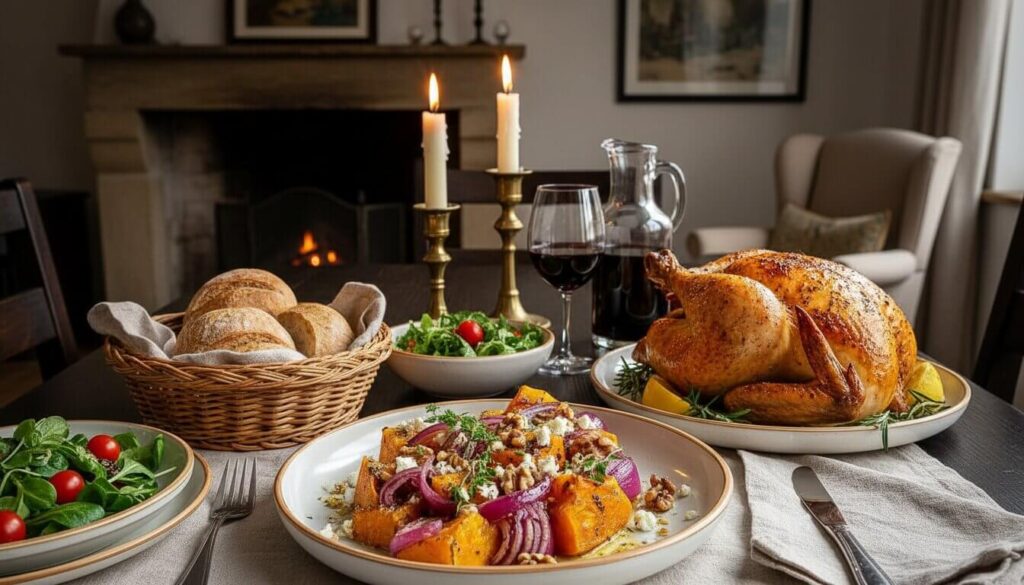
This dish is a chameleon in the kitchen. Here is how to serve it:
6.1 As a Side Dish
It pairs exceptionally well with protein-heavy Easy Mediterranean Recipes. Try it alongside a Lemon Garlic Baked Cod or a classic Med Roasted Chicken Plate.
6.2 As a Salad Base
Transform the leftovers! Throw the cold roasted squash over a bed of baby arugula or spinach. Add a simple lemon vinaigrette and perhaps some leftover 3-bean salad for a protein boost.
6.3 Holiday & Entertaining Ideas
This is a “set it and forget it” dish for Thanksgiving. You can prep the squash and onions a day in advance and simply roast them when the turkey comes out to rest.
Variations You Can Try
- Maple-Balsamic: Add a teaspoon of balsamic glaze for a tangy kick.
- Hearty Grain Bowl: Toss the finished squash with cooked farro or quinoa for a filling lunch.
- Spicy Squash: Add a dash of cayenne or smoked paprika to the initial seasoning.
- Fall Fruit Twist: Add some sliced apples or dried cranberries to the roasting pan for even more seasonal flair, similar to a Mediterranean Apple Salad.
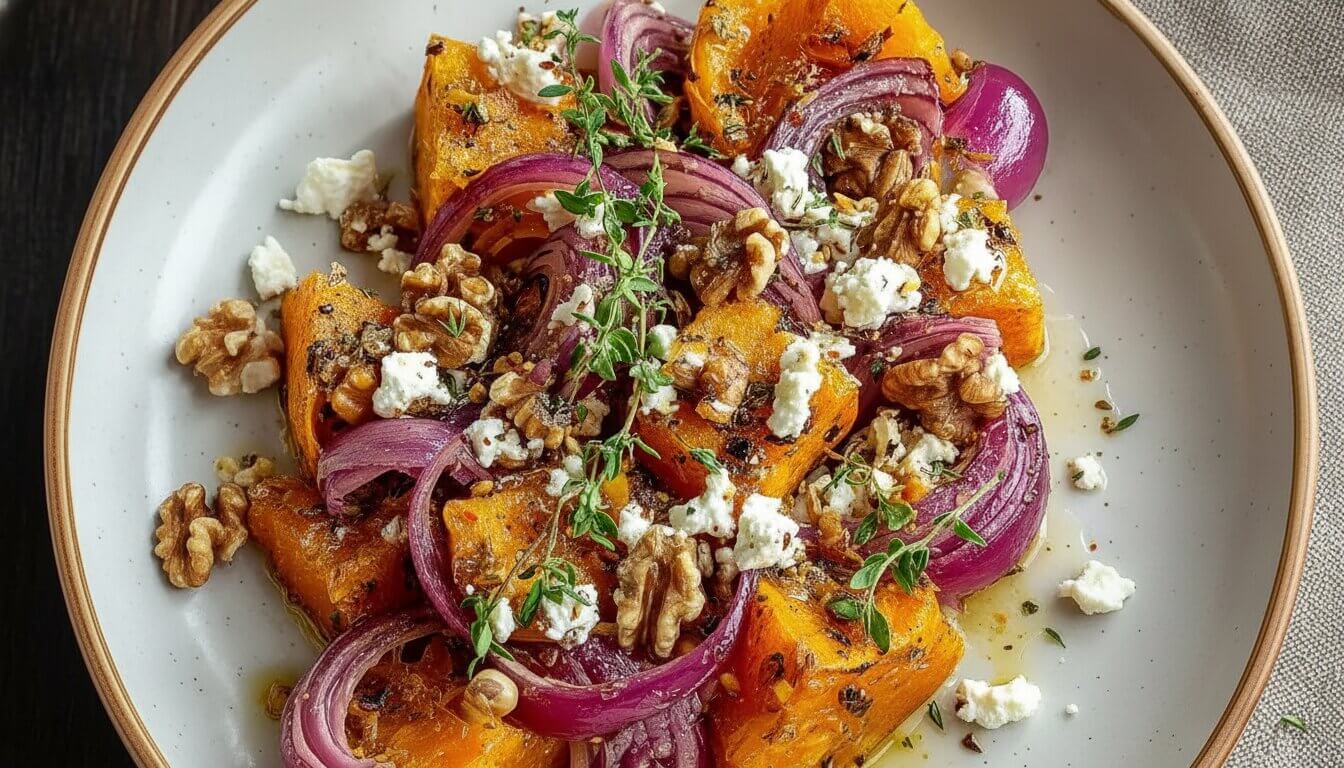
Maple Roasted Butternut Squash with Red Onion, Walnuts, and Feta
Ingredients
Method
- Preheat your oven to 400°F (200°C).
- On a large sheet pan, toss the cubed squash and red onion wedges with olive oil, salt, and pepper. Spread in a single layer.
- Roast for 20-25 minutes.
- Remove the pan, drizzle the maple syrup over the vegetables, and toss gently to coat.
- Return to the oven for another 10-15 minutes until the squash is tender and edges are caramelized.
- Transfer to a serving bowl. While warm, sprinkle with feta cheese, toasted walnuts, and fresh herbs. Serve immediately.
Notes
- Pro Tip: For the best texture, ensure the squash is completely dry before tossing with olive oil.
- Make-Ahead: You can peel and cube the squash up to 2 days in advance.
- Storage: Keeps well in the fridge for up to 4 days; reheat in the oven or air fryer to maintain the crunch of the walnuts.
Storage, Make-Ahead & Reheating Tips
- Fridge: Store in an airtight container for up to 4 days.
- Reheating: To maintain texture, reheat in a toaster oven or air fryer at 350°F. Avoid the microwave if you want to keep the walnuts crunchy.
- Serving Temp: This dish is actually delicious at room temperature, making it perfect for potlucks.
Nutritional Highlights
This recipe isn’t just tasty; it’s a nutritional powerhouse:
- Vitamin A & C: Butternut squash is loaded with beta-carotene for eye health and immunity.
- Healthy Fats: Walnuts and olive oil provide heart-healthy Omega-3s and monounsaturated fats.
- Fiber: High fiber content supports digestion and keeps you full longer.
- Gluten-Free: Naturally suitable for those with gluten sensitivities.
Frequently Asked Questions
Can I make this ahead of time?
Yes! You can roast the vegetables ahead of time and add the feta and walnuts just before serving.
Can I use frozen butternut squash?
You can, but be aware that frozen squash holds more moisture. You may need to roast it slightly longer to achieve a good char.
How do I prevent maple syrup from burning?
Always add it in the final stretch of roasting. If the oven is running very hot, you can even toss the squash in the syrup immediately after taking the pan out of the oven.
Final Thoughts & Call to Action
The beauty of Mediterranean cooking lies in its simplicity—taking fresh, seasonal ingredients and letting them shine with minimal interference. This Maple Roasted Butternut Squash with Red Onion, Walnuts, and Feta is a testament to that philosophy.
If you enjoyed this recipe, please save it to your Pinterest boards or leave a comment below letting us know your favorite variation! For more inspiration, don’t forget to check out our Garlic Roasted Vegetables or our vibrant Roasted Beet and Sweet Potato Salad with Feta.
Happy cooking!