
If you’re looking for a healthy, flavor-packed wrap that doesn’t feel like “diet food,” you have come to the right place. Imagine warm, soft pita bread stuffed with golden, spice-roasted cauliflower, crisp garden vegetables, and a drizzle of velvety sauce that ties every bite together. This Cauliflower Pita Wraps recipe is the ultimate solution for those who want a satisfying, plant-forward meal without sacrificing the bold, zesty profiles of Mediterranean cuisine.
Whether you need a quick lunch to power through your workday, a light dinner that won’t leave you feeling heavy, or a reliable meal prep option for a busy week, these wraps deliver. By swapping traditional meats for seasoned roasted cauliflower, you create a dish that is high in fiber, rich in nutrients, and undeniably delicious. Let’s dive into why these healthy pita wrap ideas are about to become a permanent fixture in your kitchen rotation.
Why You’ll Love These Cauliflower Pita Wraps
There is a reason the cauliflower wrap recipe healthy trend has taken over the food world. Cauliflower is a culinary chameleon, absorbing the smoky notes of cumin and paprika while developing a satisfying “bite” in the oven.
- Easy and Beginner-Friendly: You don’t need professional chef skills to master this. If you can chop a vegetable and turn on an oven, you can make this.
- Naturally Vegetarian (and easily Vegan): This vegetarian pita wrap recipe is inclusive. By using a tahini-based sauce instead of yogurt, it becomes a 100% plant-based powerhouse.
- Loaded with Mediterranean Flavors: From the garlic-infused cauliflower to the cooling crunch of cucumbers, every ingredient pays homage to classic coastal flavors.
- Perfect for Meal Prep: You can roast a large batch of cauliflower on Sunday and enjoy fresh wraps all week long.
Ingredients You’ll Need
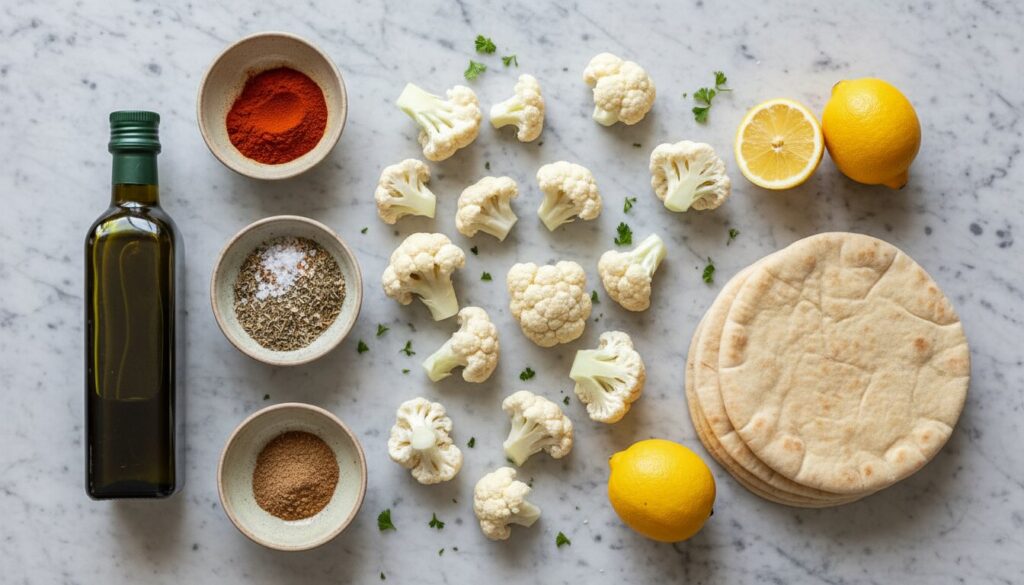
To achieve that authentic Mediterranean cauliflower recipe taste, quality ingredients are key. Here is what you will need to gather:
For the Roasted Cauliflower
- Cauliflower Florets: One large head, cut into bite-sized pieces.
- Olive Oil: Extra virgin is preferred for the best flavor.
- Garlic: Freshly minced for that pungent, aromatic kick.
- Spices: A blend of Smoked Paprika and Cumin to provide warmth and earthiness.
For the Wrap
- Pita Bread: Use high-quality, fluffy pita (whole wheat works great too).
- Fresh Greens: Romaine lettuce or baby spinach.
- Vegetables: Diced tomatoes, crisp cucumbers, and thinly sliced red onion.
For the Sauce (Mediterranean Style)
- The Base: Greek yogurt (for creaminess) or Tahini (for a nutty, vegan-friendly option).
- Lemon Juice: Freshly squeezed to provide essential acidity.
- Garlic: A small clove, grated fine.
How to Make Cauliflower Pita Wraps (Step-by-Step)
Step 1: Roast the Cauliflower
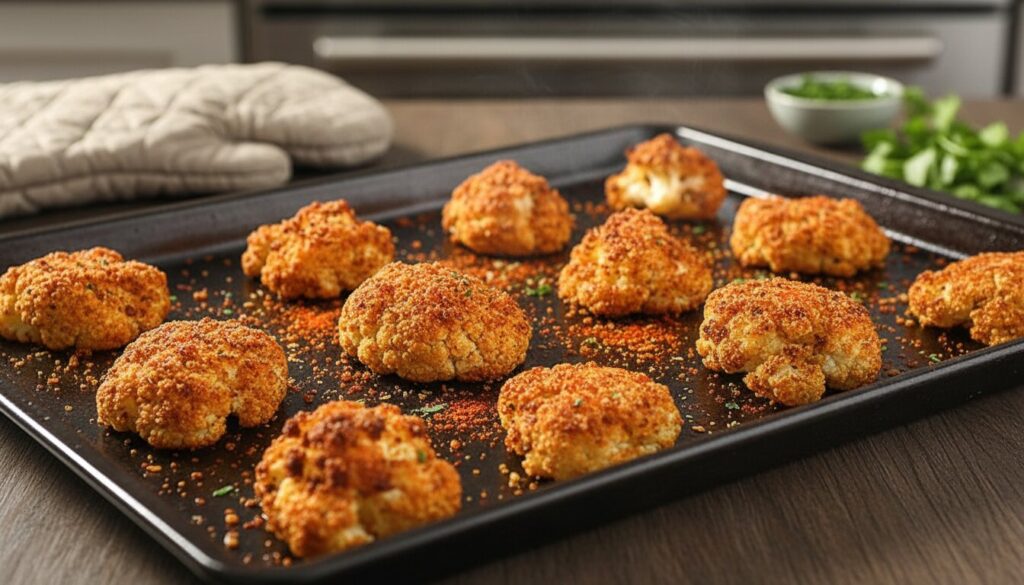
The secret to a perfect roasted cauliflower wrap is the texture. Preheat your oven to 400°F (200°C). In a large bowl, toss your cauliflower florets with olive oil, garlic, cumin, paprika, salt, and pepper. Spread them in a single layer on a baking sheet. Roast for 20–25 minutes, tossing halfway through, until the edges are charred and crispy.
Step 2: Prepare the Sauce
While the cauliflower is in the oven, whisk together your Greek yogurt (or tahini), lemon juice, and garlic. If using tahini, add a teaspoon of water at a time until you reach a drizzling consistency.
Step 3: Assemble the Wraps
Warm your pita bread in a dry pan or microwave for 15 seconds. Layer the lettuce, tomatoes, cucumbers, and red onion. Top with a generous portion of the warm cauliflower. Drizzle the sauce over the top and fold. Your cauliflower pita wraps are ready to serve!
Tips for the Best Roasted Cauliflower Wrap
- Don’t Overcrowd the Pan: If the florets are too close together, they will steam instead of roast. Use two pans if necessary to ensure that “crispy edge” texture.
- Roast at High Heat: 400°F is the sweet spot. It allows the natural sugars in the cauliflower to caramelize quickly.
- Add Sauce Last: To keep the pita from getting soggy, always add your sauce and wet vegetables (like tomatoes) right before eating.

Ingredients
Method
- Preheat & Prep: Preheat your oven to 400°F (200°C). Line a large baking sheet with parchment paper.
- Season: In a large bowl, toss the cauliflower florets with olive oil, minced garlic, cumin, paprika, salt, and pepper until evenly coated.
- Roast: Spread the cauliflower on the baking sheet. Roast for 20–25 minutes, turning halfway through, until the cauliflower is tender and the edges are browned and crispy.
- Make Sauce: In a small bowl, whisk together the yogurt (or tahini), lemon juice, and grated garlic. Set aside.
- Warm Pita: Lightly toast the pita bread in a pan or oven until warm and pliable.
- Assemble: Spread a spoonful of sauce on each pita. Layer with lettuce, tomatoes, cucumbers, and red onion. Top with a generous amount of roasted cauliflower.
- Serve: Drizzle with extra sauce and serve immediately.
Notes
- The Crunch Factor: Roast cauliflower at 400°F (200°C). Lower temperatures will make the cauliflower mushy rather than crispy.
- Size Matters: Cut florets into uniform, small bite-sized pieces so they fit comfortably in the pita and cook evenly.
- Anti-Soggy Shield: Spread a thin layer of sauce directly on the pita to act as a moisture barrier before adding watery vegetables like tomatoes.
- The “Fluff” Rule: Always warm your pita bread for 15 seconds in a pan or microwave before folding; cold pita is prone to cracking and tearing.
- Vegan Pivot: Simply use Tahini instead of Greek yogurt. If the tahini is too thick, thin it with a teaspoon of warm water until it reaches “drizzle” consistency.
- Flavor Boost: For an extra authentic Mediterranean punch, add a sprinkle of Za’atar or Sumac over the cauliflower immediately after it comes out of the oven.
Variations to Try
One of the best things about these healthy pita wrap ideas is how adaptable they are to different dietary needs.
- Vegan Cauliflower Wraps: Simply swap the Greek yogurt for a creamy tahini sauce. For an extra punch of flavor, try incorporating some of the nutty notes found in a Tahini Cookies recipe.
- Spicy Version: Add a teaspoon of harissa paste to your sauce or sprinkle red chili flakes over the cauliflower before roasting.
- Protein Boost: If you want a heartier meal, add a smear of homemade hummus or toss in some canned chickpeas with the cauliflower while roasting.
What to Serve with Cauliflower Pita Wraps
To turn this into a full Mediterranean feast, consider adding these sides:
- Creamy Hummus: A side of classic hummus is perfect for dipping any leftover pita.
- Fresh Salads: A vibrant Tabbouleh recipe or a Fattoush recipe adds a refreshing acidity that cuts through the roasted spices.
- Roasted Potatoes: If you’re extra hungry, Greek potato salad is a fantastic pairing.
Storage & Meal Prep Tips
- Separate Storage: Store the roasted cauliflower in an airtight container for up to 4 days. Keep your chopped veggies and sauce in separate containers.
- Reheating: For the best results, reheat the cauliflower in an air fryer or oven for 5 minutes to restore the crunch before assembling.
- Assembly: Always assemble fresh. If you are taking this for a work lunch, pack the components separately and build the wrap at your desk.
FAQs
Can I make cauliflower pita wraps ahead of time? Yes! You can prep all the individual components up to 3 days in advance. However, wait to assemble the wrap until you are ready to eat to prevent the pita from getting soft.
Are these wraps vegan? They can be! Just ensure you use a tahini-based sauce and check that your pita bread does not contain honey or milk products.
What sauce goes best with cauliflower wraps? A lemon-garlic tahini sauce is traditional and adds a beautiful richness. If you prefer dairy, a zesty Greek yogurt sauce or even a dollop of tzatziki works wonderfully.
Can I use naan instead of pita? Absolutely. While pita is traditional for a Mediterranean cauliflower recipe, naan or even a large flour tortilla can work in a pinch.
Final Thoughts
These Cauliflower Pita Wraps are proof that healthy eating can be incredibly flavorful and satisfying. By combining simple, wholesome ingredients with traditional Mediterranean spices, you’ve created a meal that is as good for your body as it is for your taste buds. Give this recipe a try this week, and don’t forget to leave a comment below or share your creations on social media!