
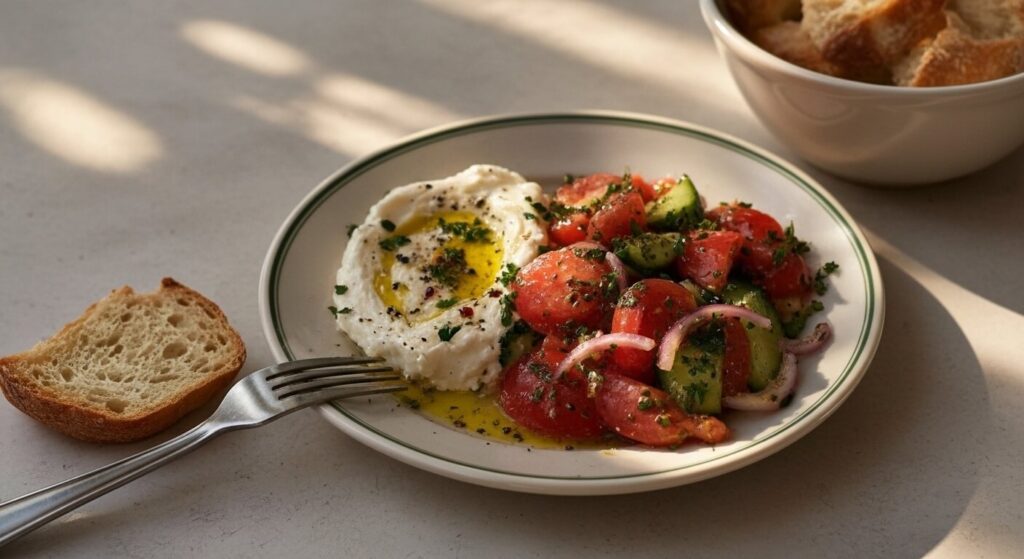
There is a profound beauty in the simplicity of Mediterranean dining. It is a cuisine that doesn’t rely on complex techniques or heavy sauces; instead, it celebrates the vibrant flavors of sun-ripened produce, heart-healthy fats, and artisanal dairy. When you are craving a healthy Mediterranean lunch that feels indulgent yet light, look no further than the Labneh Tomato Cucumber Lunch Plate recipe.
This dish is the epitome of refreshing. It centers around labneh—a thick, strained yogurt cheese that is as versatile as it is delicious. By pairing this creamy, tangy base with the crunch of fresh cucumbers and the burst of sweetness from cherry tomatoes, you create a lunch plate that is both satisfying and visually stunning. Whether you are looking for a quick desk lunch or a beautiful weekend brunch addition, this no-cook meal is a game-changer for your weekly rotation.
What Is Labneh?
If you have never tried a labneh recipe, you are in for a treat. Labneh is a staple in Middle Eastern and Mediterranean households, often referred to as “yogurt cheese.” It is made by straining the whey out of salted yogurt until it reaches a thick, spreadable consistency similar to cream cheese, but with a much more complex, tangy profile.
Origins and Texture
Labneh has been a cornerstone of Levantine cuisine for centuries. It is prized for its cooling properties, making it the perfect accompaniment to spicy meats or warm flatbreads. The texture is velvety and rich, yet because it is made from cultured yogurt, it retains a signature brightness that cuts through heavier flavors.
Labneh vs. Greek Yogurt
While they start from the same base, the difference lies in the moisture content. Greek yogurt is strained once or twice, leaving it spoonable. Labneh is strained much longer (often 24 to 48 hours), resulting in a concentrated, dense cheese. In a healthy Mediterranean lunch, labneh provides a more substantial protein hit and a more luxurious mouthfeel than standard yogurt.
Pro Tip: If you can’t find labneh at the store, you can easily make your own by straining full-fat Greek yogurt in cheesecloth overnight! It pairs beautifully with other staples like a classichummus recipe.
Why You’ll Love This Mediterranean Lunch Plate
Finding the perfect mediterranean lunch plate can be a challenge when you’re short on time, but this recipe checks every box:
- No Cooking Required: Perfect for hot summer days or when you don’t want to turn on the stove.
- Protein-Rich & Fresh: Labneh is packed with probiotics and protein, keeping you full until dinner.
- Naturally Vegetarian: A plant-forward meal that doesn’t compromise on flavor.
- Meal Prep Friendly: You can prep the components ahead of time and assemble them in under two minutes.
- Mediterranean Diet Approved: It utilizes whole foods, healthy fats (olive oil), and plenty of fiber-rich vegetables.
Ingredients You’ll Need
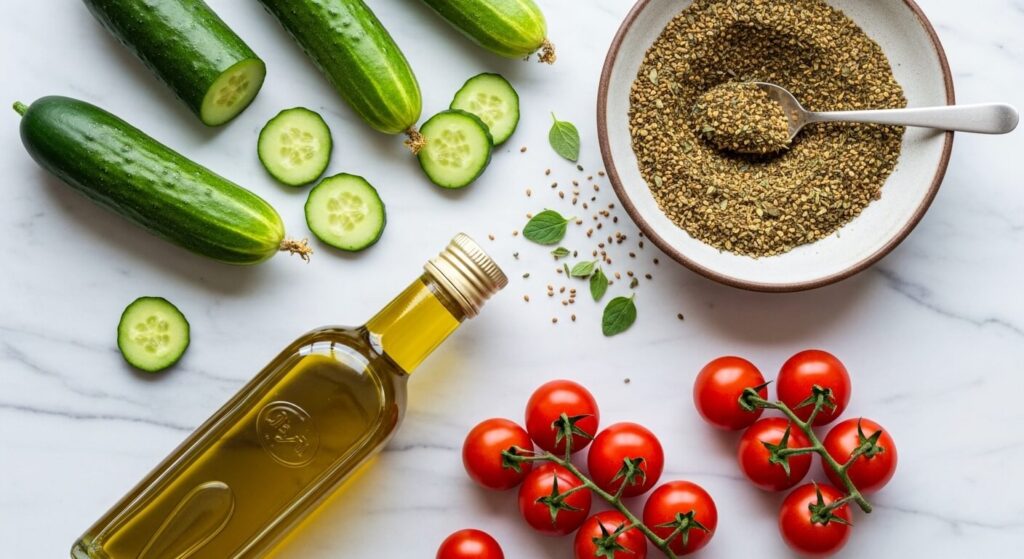
To create a world-class cucumber tomato salad on a bed of labneh, quality is key. Since there are so few ingredients, each one needs to shine.
- Labneh: Look for full-fat varieties for the best flavor.
- Cucumbers: Persian or English cucumbers are best for this mediterranean cucumber salad because they have thin skins and fewer seeds.
- Cherry Tomatoes: Their concentrated sweetness balances the tang of the cheese.
- Extra Virgin Olive Oil: Use the “good stuff” here—fruity, peppery, and cold-pressed.
- Fresh Herbs: Mint, dill, or parsley add a layer of aromatic freshness.
- Olives: Kalamata or Castelvetrano olives add a necessary salty punch.
- Za’atar: This Middle Eastern spice blend (thyme, sumac, sesame seeds) is the “secret ingredient” that brings the plate to life.
- Pita Bread: Optional, but highly recommended for scooping. You might even enjoy this alongside a Rustic Peasant Bread Recipe.
How to Make Labneh Tomato Cucumber Lunch Plate
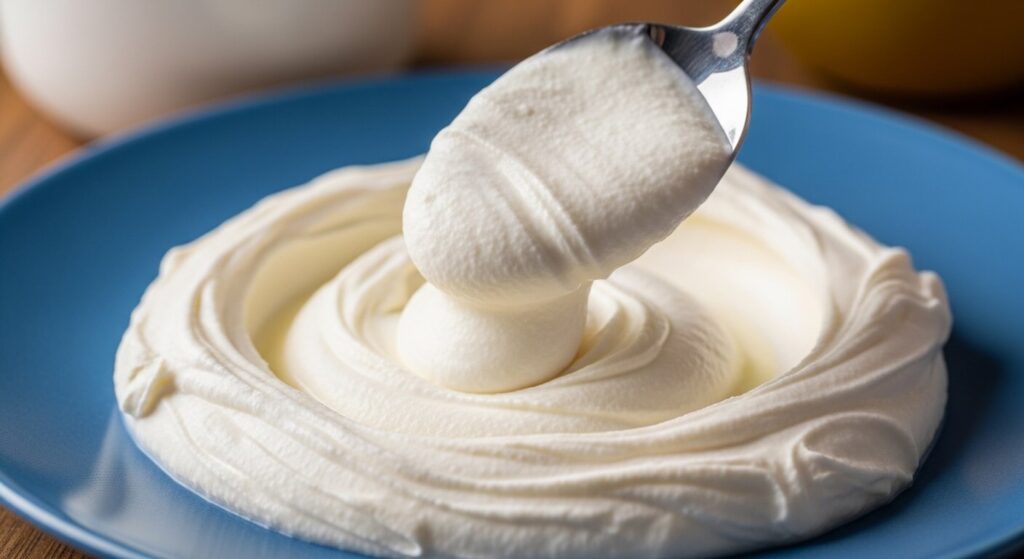
Creating this labneh cucumber salad plate is more about assembly and “plating” than cooking. Follow these steps for the perfect presentation:
- The Base: Take a large spoonful of labneh and place it in the center of a shallow bowl or plate. Use the back of the spoon to create a “well” or a swoosh pattern—this holds the olive oil and spices.
- The Veggies: Slice your cucumbers into rounds or half-moons and halve the cherry tomatoes. Arrange them over and around the labneh.
- The Seasoning: Drizzle a generous amount of olive oil over the entire plate. Sprinkle the za’atar and a pinch of sea salt across the vegetables.
- The Garnish: Tear fresh mint or dill over the top and scatter your olives.
- Serve: Serve immediately with warm pita or crackers.
Best Variations and Add-Ins
While this mediterranean lunch plate is perfect in its simplest form, you can easily bulk it up depending on your dietary needs:
- Add More Protein: Top with a soft-boiled egg or leftover lemon garlic chicken recipe.
- Extra Crunch: Add roasted chickpeas or toasted pine nuts for texture.
- Cheese Twist: If you love extra salt, crumble some feta on top, though the labneh is usually creamy enough on its own.
- Vegan Option: Use a thick almond-based or cashew-based “yogurt” cheese to keep the spirit of the dish plant-based.
What to Serve with a Mediterranean Lunch Plate
This plate is a complete meal on its own, but if you are hosting a lunch or want a larger spread, consider these pairings:
- Warm Grains: A side of tabbouleh recipe adds a wonderful herbal note and extra fiber.
- Soups: On cooler days, a small bowl of trahana soup recipe makes for a cozy accompaniment.
- More Dips: Create a mini Mezze Platter Recipe by adding shakshuka recipe or baba ganoush to the table.
Mediterranean Diet Benefits of This Recipe
Adhering to mediterranean diet lunch recipes is consistently linked to heart health and longevity. This lunch plate is a shining example of why:
- Healthy Fats: The monounsaturated fats in olive oil and the fats in labneh support brain health.
- High Fiber: Cucumbers and tomatoes provide essential fiber for digestion.
- Probiotics: As a fermented dairy product, labneh supports a healthy gut microbiome.
- Low Glycemic Index: This meal provides steady energy without the sugar crash associated with processed lunches.
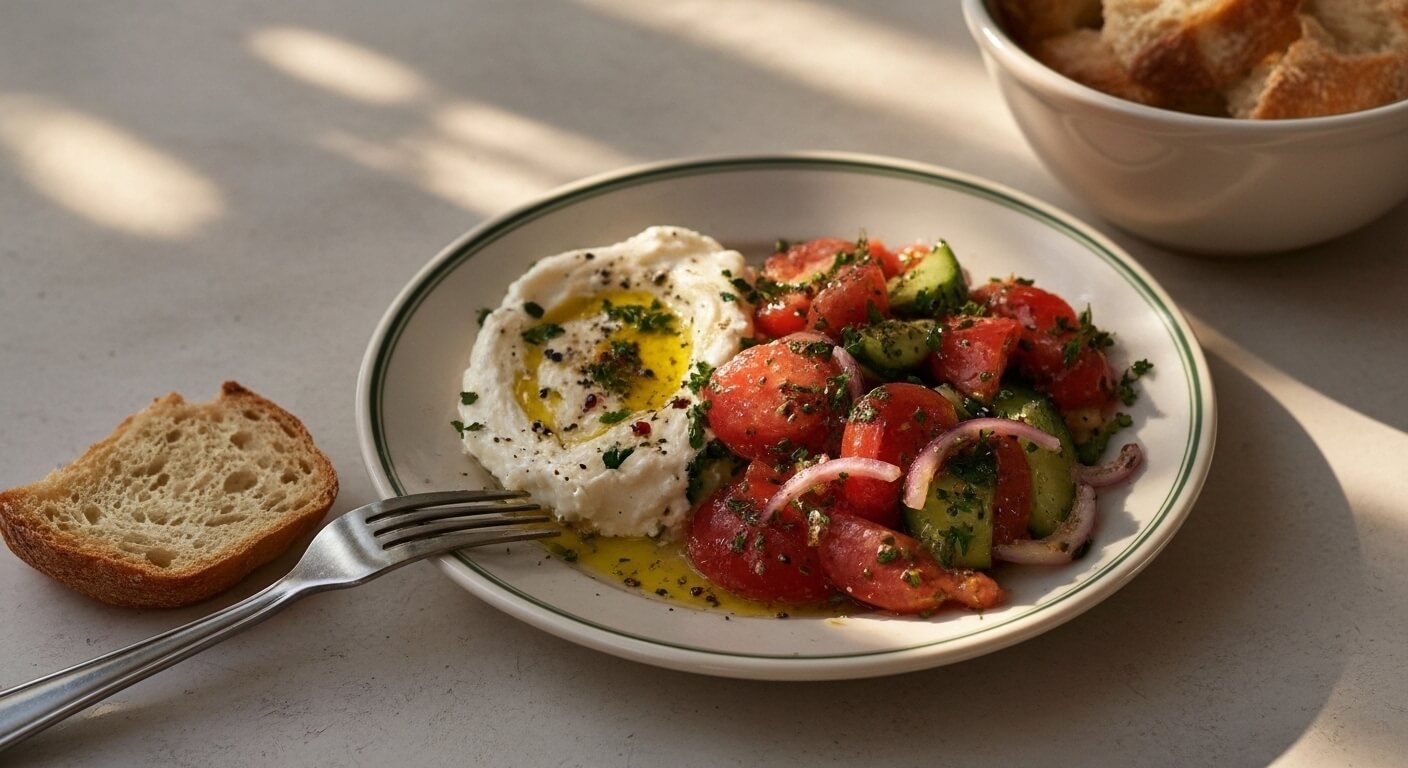
Ingredients
Method
- Spread: Spread the labneh onto a shallow plate using the back of a spoon to create swirls.
- Layer: Arrange the sliced cucumbers and cherry tomatoes over the labneh.
- Season: Drizzle the olive oil over the top, then sprinkle with za’atar, salt, and pepper.
- Garnish: Scatter the olives and fresh mint leaves over the plate.
- Serve: Serve immediately with bread of choice for dipping.
Notes
- Labneh Quality: Always use full-fat labneh for the best texture and satiety. If it’s too thick to spread, whisk in a teaspoon of water or lemon juice to loosen it.
- Salt Management: Labneh is naturally salty. Taste the cheese first before adding extra sea salt to your tomatoes and cucumbers.
- Temperature: For the most refreshing experience, chill your plate in the freezer for 5 minutes before spreading the labneh. This keeps the yogurt cheese firm and the veggies crisp.
- Herb Freshness: Avoid dried herbs for the garnish. Fresh mint or dill provides the essential aromatic “lift” that defines Mediterranean cuisine.
- Pita Tip: If serving with pita, toast it lightly and brush with a tiny bit of olive oil and za’atar to mirror the flavors on the plate.
Storage and Meal Prep Tips
For the best results with your healthy mediterranean lunch, keep the components separate until you are ready to eat.
- The Labneh: Can be stored in an airtight container for up to a week.
- The Vegetables: Slice them the morning of for maximum crispness.
- Assembly: Do not add the olive oil or salt until serving, as the salt will draw moisture out of the vegetables and make the plate watery.
- Containers: Use a divided meal prep container—one section for labneh, one for the cucumber/tomato mix, and a small side container for the oil/spices.
Frequently Asked Questions
Is labneh healthier than cream cheese?
Yes, generally! Labneh contains significantly more protein and probiotics than cream cheese and is lower in calories and fat while providing a similar creamy texture.
Can I make this lunch plate ahead of time?
It is best assembled fresh. However, you can chop the veggies and keep the labneh ready in the fridge to assemble in just 60 seconds.
What vegetables go best with labneh?
Beyond cucumbers and tomatoes, labneh pairs beautifully with radishes, roasted red peppers, or even thinly sliced snap peas.
Is labneh part of the Mediterranean diet?
Absolutely. Traditional Mediterranean diets include moderate amounts of fermented dairy like yogurt and labneh.
Can I use Greek yogurt instead of labneh?
You can use a very thick Greek yogurt as a substitute, but the flavor will be less “cheesy” and the texture will be thinner.