
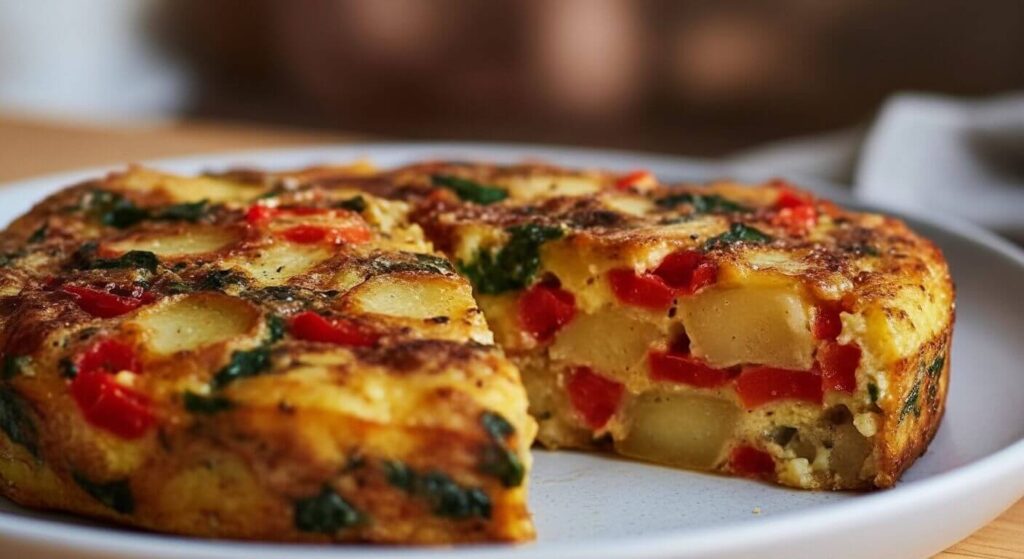
Imagine waking up to the aroma of sizzling olive oil, fragrant herbs, and sweet roasted vegetables drifting from your kitchen. You don’t need to head to a high-end coastal cafe to enjoy a restaurant-quality Mediterranean breakfast at home. With The Layered Lattice Frittata recipe, you can bring the bright, vibrant flavors of the sun-drenched coast straight to your morning table.
Whether you are looking for an authentic Mediterranean frittata recipe to impress weekend guests or searching for a healthy breakfast frittata to fuel your busy work week, this dish hits every single mark. This oven-baked, healthy, crustless masterpiece pairs a protein-rich egg base with a stunning, woven geometric vegetable design. It is an easy, nutritious, and family-friendly dish that turns humble breakfast staples into a genuine culinary work of art.
What is a Layered Lattice Frittata?
At its core, a frittata is an Italian open-faced omelet. However, this specific version elevates the classic technique into a beautiful, visually striking baked vegetable frittata. The word “lattice” refers to the precise, woven pattern of thinly sliced vegetables—such as zucchini, bell peppers, and red onions—carefully arranged across the top of the dish before it goes into the oven.
Unlike a traditional Italian frittata, which is typically started on the stovetop in a skillet and finished under a broiler, this method functions more like an oven baked egg casserole. Traditional frittatas can sometimes become dry or unevenly cooked if left on the stovetop too long. By baking this recipe entirely in the oven at a moderate temperature, the eggs cook gently and evenly, resulting in a pillowy, custard-like texture.
The heavy Mediterranean influence shines through in every bite. Instead of using heavy cream or butter, we rely on extra virgin olive oil to sauté the vegetables and enrich the eggs. Combined with classic regional ingredients like tangy feta cheese, fresh spinach, and aromatic herbs, this dish delivers a profile that is incredibly savory, bright, and deeply satisfying.
Why This Mediterranean Frittata is Healthy
Finding a breakfast option that balances gourmet flavor with clean, wholesome nutrition can be a challenge. Fortunately, this healthy breakfast frittata naturally checks almost every dietary box out there.
- Packed with Lean Protein: Eggs provide a complete source of high-quality protein, which keeps you full, stabilizes blood sugar levels, and curbs mid-morning sugar cravings.
- Low-Carb and Keto-Friendly: As a completely crustless egg bake recipe, this dish eliminates processed flours and heavy carbohydrates entirely. It is an excellent choice for anyone following a ketogenic, low-carb, or diabetic-friendly lifestyle.
- Heart-Healthy Mediterranean Diet Fats: By using extra virgin olive oil rather than butter or lard, this recipe infuses your body with monounsaturated fatty acids and powerful antioxidants.
- Loaded with Micronutrients: The dense layers of spinach, bell peppers, and zucchini provide a generous dose of vitamins A, C, and K, alongside essential minerals and dietary fiber.
- Ultimate Meal Prep Efficiency: It holds its structural integrity beautifully when sliced, making it a dream for healthy weekly meal planning.
Ingredients You Need
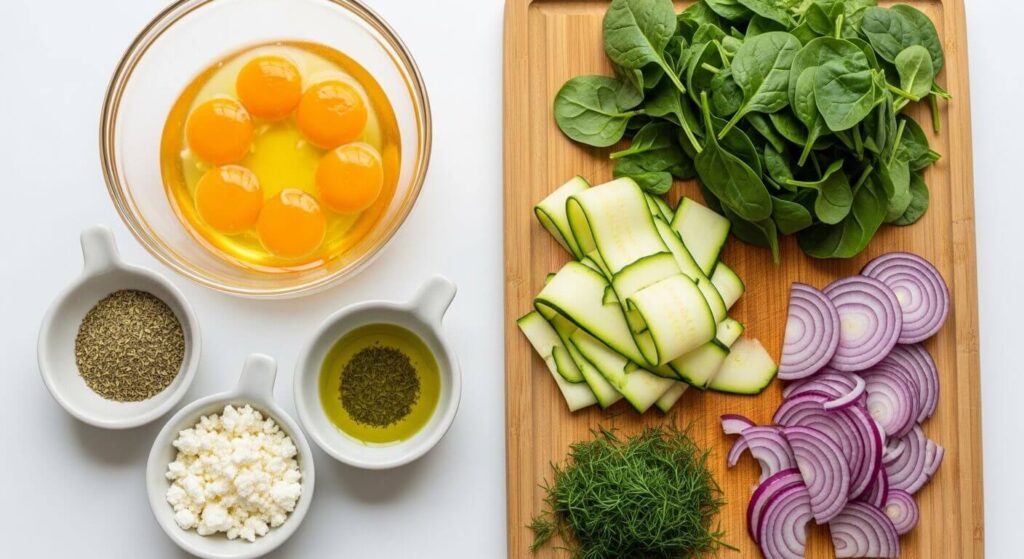
To achieve the perfect balance of flavor and structural integrity, sourcing the right ingredients for this easy vegetable frittata recipe is key.
The Base
- Large Eggs: Use the freshest eggs available. Free-range or pasture-raised eggs yield a richer flavor and a beautiful, vibrant golden hue.
- Splash of Milk or Almond Milk: Just a tablespoon or two helps tenderize the egg proteins for a softer, fluffier texture.
The Mediterranean Produce
- Baby Spinach: Provides an earthy, iron-rich base layer.
- Zucchini: Thinly ribboned or sliced lengthwise to construct the woven lattice framework.
- Bell Peppers (Red or Yellow): Adds a touch of natural sweetness and bright color.
- Red Onion: Provides a sharp, savory bite that sweetens beautifully as it bakes.
- Cherry Tomatoes: Halved and nestled into the gaps to create bursts of juicy, acidic brightness.
The Flavor Enhancers
- Feta Cheese: Adds a signature salty, tangy punch that cuts through the richness of the eggs. (Sub in low-moisture shredded mozzarella if you prefer a mild, gooey melt).
- Extra Virgin Olive Oil: For sautéing the vegetable base and greasing the baking pan.
- Herbs & Seasonings: Fresh dill, dried oregano, garlic powder, sea salt, and freshly cracked black pepper.
💡 Pro-Tip for Substitutions
This recipe is incredibly forgiving. If you have leftover roasted vegetables in your fridge, feel free to use them! If you want to keep the dish completely dairy-free, simply omit the feta or swap it out for a sprinkle of nutritional yeast to maintain that savory, cheesy undertone.
Step-by-Step Instructions
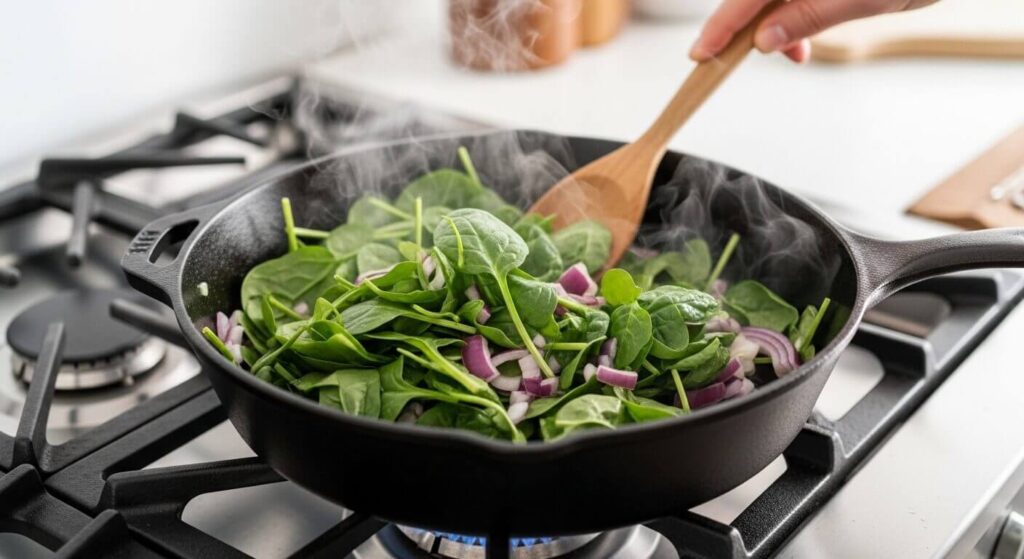
Creating this stunning baked vegetable frittata is highly straightforward. Follow these clear steps to achieve a flawless result:
- Preheat and Prepare: Preheat your oven to 375°F (190°C). Generously grease a 9×13-inch ceramic baking dish or a 10-inch oven-safe cast-iron skillet with a tablespoon of extra virgin olive oil.
- Sauté the Base Vegetables: Heat a splash of olive oil in a pan over medium heat. Sauté the diced onions, chopped peppers, and spinach just until the spinach is wilted and the excess moisture has cooked off.
- Whisk the Egg Mixture: In a large mixing bowl, vigorously whisk the eggs, milk, dried oregano, garlic powder, salt, and pepper together until completely smooth and slightly frothy. Stir in the crumbled feta cheese and the sautéed vegetable mixture.
- Layer the Lattice Design: Pour the egg and vegetable mixture evenly into your prepared baking dish. Now, carefully arrange your thinly sliced zucchini and bell pepper strips across the top surface, weaving them gently in a crisscross pattern to establish the lattice.
- Bake to Perfection: Place the dish on the center rack of your oven. Bake for 25 to 30 minutes, or until the center is completely set and no longer jiggles, and the edges are beautifully golden-brown.
- Rest and Slice: Remove from the oven and let the frittata sit undisturbed for 5 to 10 minutes. This resting period allows the egg proteins to firm up slightly, ensuring clean, picture-perfect slices.
How to Create the “Lattice” Layering Effect
The defining characteristic of this signature Mediterranean frittata recipe is its stunning visual presentation. Creating the lattice effect is far simpler than it looks, and it completely transforms the dish from a simple breakfast casserole into a centerpiece.
[====================================]  <-- Top Zucchini Ribbon (Horizontal)
  |      |      |      |      |      |
  |  PP  |      |  PP  |      |  PP  |  <-- Vertical Pepper Strips (PP) Intersecting
  |      |      |      |      |      |
[====================================]  <-- Bottom Zucchini Ribbon (Horizontal)
To achieve this, use a mandoline slicer or a very sharp chef’s knife to cut your zucchini lengthwise into long, thin, flexible ribbons. Cut your bell peppers into long, uniform matchsticks.
Once your egg base is poured into the baking dish, lay half of your vegetable strips horizontally across the surface, leaving about a half-inch of space between each strip. Next, take your remaining vegetable strips and lay them down vertically, gently weaving them over and under the horizontal strips.
This woven structure does more than look pretty; it ensures that every single slice contains an even distribution of vegetables, preventing the toppings from sinking to the bottom and keeping the texture light and uniform throughout.
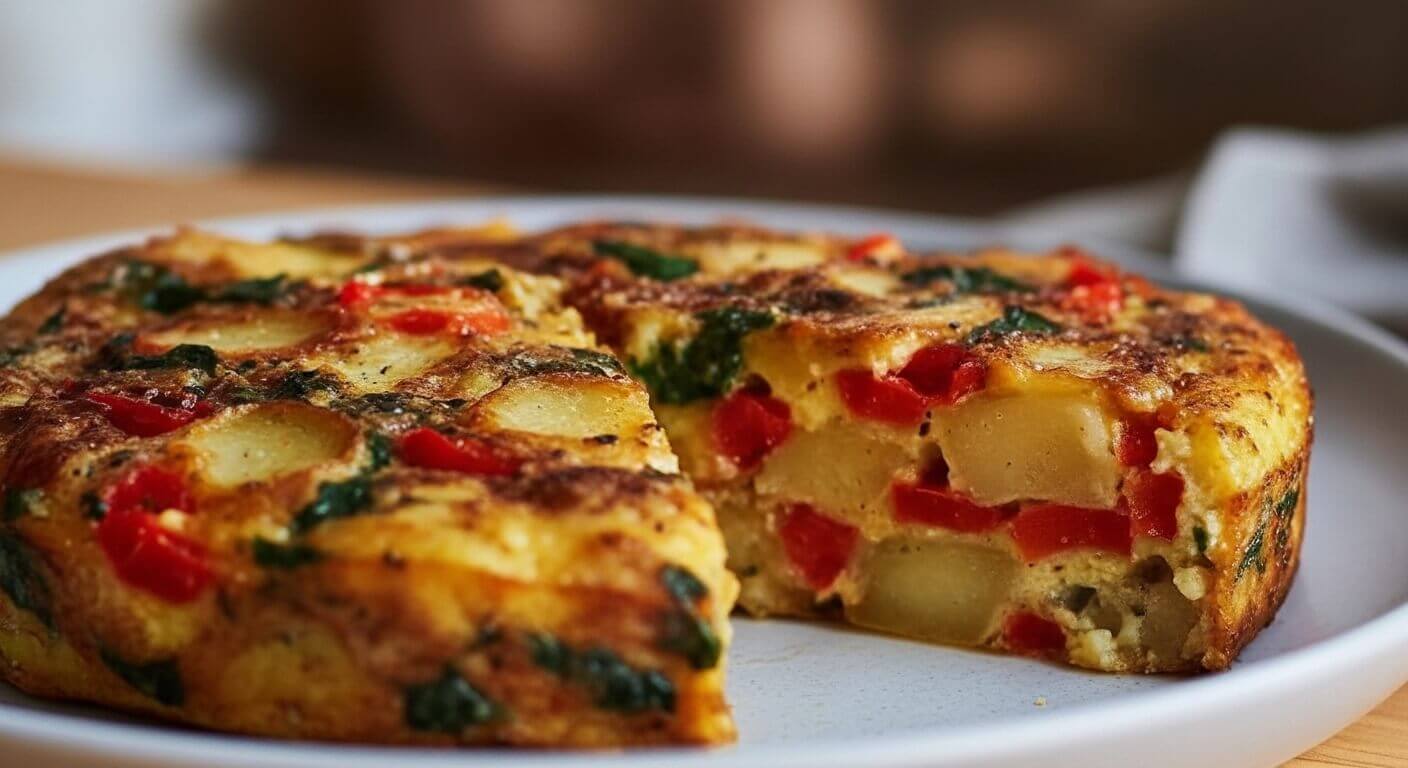
Ingredients
Method
- Step 1: Preheat your oven to 375°F (190°C). Brush a 9×13-inch baking dish or a 10-inch oven-safe skillet with 1 tablespoon of extra virgin olive oil.
- Step 2: Heat the remaining tablespoon of olive oil in a skillet over medium heat. Sauté the diced red onion for 3-4 minutes until softened and translucent.
- Step 3: Add the chopped baby spinach to the skillet. Cook for 1-2 minutes just until the leaves are fully wilted and any liquid released has completely evaporated. Remove from heat and let cool slightly.
- Step 4: In a large bowl, vigorously whisk the 10 eggs, milk, dried oregano, garlic powder, sea salt, and black pepper together until the mixture is uniform and slightly frothy.
- Step 5: Stir the cooled sautéed onions, spinach, and crumbled feta cheese into the egg mixture.
- Step 6: Pour the egg and vegetable mixture into the prepared baking dish, using a spatula to ensure the spinach and cheese are evenly distributed.
- Step 7: Arrange the thin zucchini ribbons and red bell pepper strips on top of the egg mixture, weaving them over and under each other to create a beautiful crisscross lattice pattern. Nest the halved cherry tomatoes into the open spaces of the lattice.
- Step 8: Place the dish on the center rack of the oven and bake for 25-30 minutes. The frittata is done when the edges are light golden and the center is set (it should not jiggle when shaken).
- Step 9: Remove from the oven and let rest for 5-10 minutes. Garnish with fresh chopped dill, slice into squares, and serve warm.
Notes
- Prevent Wateriness: Sauté the base spinach and onions completely to evaporate their liquid before adding them to the egg mixture. Pat the raw zucchini ribbons dry with a paper towel before weaving the lattice.
- Don’t Overcook: Remove the frittata from the oven as soon as the center sets. Overbaked eggs become rubbery and release water.
- Pan Prep: Eggs stick easily. Coat your baking dish generously with olive oil or line it with parchment paper for clean slicing.
- Make-Ahead & Storage: Let cool completely before storing in an airtight container. Refrigerate for up to 4 days or freeze individual slices wrapped tightly for up to 2 months.
- Reheating: Reheat in a 350°F (175°C) oven or toaster oven for 8–10 minutes to keep the vegetable lattice crisp. Avoid the microwave if possible to prevent a rubbery texture.
Tips for a Perfect Frittata Every Time
Achieving a flawless oven baked egg casserole requires keeping a few fundamental culinary principles in mind:
- Avoid Overcooking the Eggs: Eggs are highly sensitive to heat. Remove the frittata from the oven as soon as the center is set. It will continue to cook slightly from residual heat as it rests on your counter. Overcooked eggs will turn rubbery and begin to weep liquid.
- Control Vegetable Moisture: Vegetables like zucchini and spinach contain a massive amount of water. Always sauté your base greens completely to evaporate their moisture before adding them to the egg mixture.
- Prep Your Zucchini Ribbons: For the top lattice, pat the raw zucchini ribbons firmly with a paper towel to remove surface moisture before arranging them on top of the eggs.
- Prevent Sticking: Eggs love to adhere to baking dishes. Be generous with your olive oil coating on the bottom and sides of your pan, or line your baking dish with a sheet of parchment paper for effortless removal.
Variations & Add-Ins
Once you master the foundational technique of this healthy breakfast frittata, you can easily modify the ingredients based on what you have on hand or your personal flavor preferences.
- The Greek-Style Version: Maximize the brine and tang by adding chopped Kalamata olives, marinated artichoke hearts, and a pinch of lemon zest to the egg mixture.
- The Forest Blend: Swap out the Mediterranean peppers for earthier tones. Sauté sliced cremini mushrooms, garlic, and baby kale to create a rich, comforting autumn variation.
- The High-Protein Upgrade: If you have leftovers from a Homemade Greek Gyro Meat Recipe, chop it finely and fold it directly into the egg base before baking.
- The Seafood Twist: For an elegant brunch, fold in flaked white fish inspired by a classic baked cod recipe along with fresh chives and capers.
Meal Prep & Storage Guide
This versatile crustless egg bake recipe is a stellar option for organized batch cooking and weekly meal prep.
- Refrigeration: Allow the baked frittata to cool completely to room temperature. Slice it into individual portions and transfer them into airtight glass containers. Store in the refrigerator for up to 3 to 4 days.
- Freezing: Wrap individual, fully cooled slices tightly in plastic wrap, then place them inside a heavy-duty freezer bag. Freeze for up to 2 months. Thaw overnight in the refrigerator before reheating.
- Reheating: To maintain the ideal texture, reheat slices in a 350°F (175°C) oven or toaster oven for 8 to 10 minutes until warmed through. In a pinch, you can microwave an individual slice on medium power for 60 to 90 seconds, though the oven method keeps the lattice top crispest.
Serving Ideas
This versatile Mediterranean frittata recipe transitions beautifully from early morning fuel to an elegant afternoon centerpiece.
For a comprehensive weekend brunch platter, serve a warm slice alongside a crisp, colorful Fattoush recipe or a vibrant baladi salad recipe to bring a clean, refreshing crunch to the meal. If you prefer a warm, comforting side dish, it pairs wonderfully with a side of crispy roasted potatoes or a slice of artisanal bread. For a casual, satisfying midday lunch, tuck a slice of the cooled frittata directly inside a warm pita or wrap it up tightly like a hearty Greek wrap Recipe.
FAQs
Q1: What is the difference between a frittata and an omelet?
An omelet is cooked quickly on the stovetop, folded over a filling, and typically served immediately as a single portion. A frittata mixes its fillings directly into the whisked egg base, cooks slowly over lower heat (often finished or entirely prepared in the oven), and is sliced into multiple portions to serve several people.
Q2: Can I make a frittata without cheese?
Absolutely. The cheese adds a savory, salty element, but it is not necessary for the structural integrity of the egg bake. Simply omit it entirely, or replace it with sliced avocados or a dollop of dairy-free pesto right before serving.
Q3: Is a Mediterranean frittata healthy for weight loss?
Yes. Because it is high in protein and healthy monounsaturated fats while remaining very low in carbohydrates, it helps maintain prolonged satiety, prevents blood sugar spikes, and fits perfectly into calorie-conscious or low-carb weight management plans.
Q4: Can I bake frittata in advance?
Yes, this is an exceptional make-ahead dish. You can bake it completely the day before, store it in the refrigerator, and either serve it cold, at room temperature, or reheated right before your guests arrive.
Q5: Why is my frittata watery?
A watery frittata is usually caused by two common mistakes: overcooking the eggs (which forces them to contract and squeeze out liquid) or failing to cook the moisture out of watery raw vegetables (like spinach or zucchini) before adding them to the egg mixture.