Mediterranean cooking is built on simple ingredients, big flavor and nourishing techniques, and olive oil is the heart of it all. Knowing how to choose the right olive oil will transform your cooking, whether you’re a Mediterranean-diet beginner, a home cook building a pantry, a nutrition-focused reader or a foodie hunting for premium bottles.
This guide breaks down everything you need to know about oil types, flavor profiles, label-reading, chef tips, how to store it and which oils pair best with Mediterranean diet recipes.
1. Understanding Olive Oil Types

Mediterranean cuisines use different olive oils based on cooking method, region and flavor intensity. Here’s a list of olives and what matters.
Extra Virgin Olive Oil (EVOO)
- Definition: Highest grade; extracted mechanically without heat or chemicals.
- Acidity: ≤ 0.8%
- Flavor: Fruity, peppery, grassy and buttery – varies by region
- Best for: Dressings, dips, finishing and light sautéing
- Smoke point: 375-410°F (190-210°C)
- Polyphenols: Highest among all types
Use in Mediterranean cuisines:
- Greek: Horiatiki salad, Spanakopita recipe finishing
- Italian: Bruschetta and pasta al limone
- Spanish: Gazpacho and Paella finishing
- Lebanese: Tabbouleh recipe and Hummus recipe
- Turkish: Zeytinyağlı dishes (olive-oil braised vegetables)
EVOO is your everyday essential and best overall choice for flavor and health.
Virgin Olive Oil
- Definition: Also mechanically extracted but with slightly higher acidity.
- Flavor: Milder with less bitterness/pepper
- Best for: Everyday sautéing and roasting
Refined Olive Oil
- Definition: Heat- or chemically-treated to neutralize flavor defects.
- Flavor: Very light and almost neutral
- Best for: High-heat cooking
- Smoke point: 470°F (243°C)
Olive Oil (Pure/Light)
- Definition: A blend of refined oil + a small amount of virgin or EVOO.
- Best for: When you want minimal flavor (rare in Mediterranean cooking)
Cold-Pressed Olive Oil
- Definition: Means extraction occurred under low temperatures to protect aromas and antioxidants.
- Flavor: Most high-quality EVOO is cold-pressed.
Unfiltered Olive Oil
- Definition: Cloudy oil containing tiny olive particles.
- Pros: Intense flavor and robust aroma
- Cons: Shorter shelf life
- Best For: Great for dipping, drizzling and finishing recipes.
Single-Origin & Single-Varietal Oils
- Definition: Made from olives of one region or even one cultivar (Koroneiki, Arbequina and Picual).
- Best for: foodies who want terroir-driven flavor.
PDO & PGI Olive Oils
These certifications protect geographical authenticity.
Examples:
- PDO Kalamata (Greece)
- PDO Baena (Spain)
- PGI Toscano (Italy)
These oils guarantee traceability, harvest standards and regional flavor expression.
2. Flavor Profiles & Best Uses by Cuisine
| Region | Typical Flavor Notes | Best Uses |
| Greek | Peppery and grassy (Koroneiki) | Greek salad, Spanakopita and grilled fish |
| Italian | Herbal, artichoke and fruity | Pasta dishes, pesto and minestrone |
| Spanish | Tomato leaf, almond, bold pepper | Paella, tapas, aioli |
| Lebanese | Smooth, buttery, and floral | Tabbouleh, hummus and mezze |
| Turkish | Fruity-green and balanced | Stews, braised vegetable dishes |
| Moroccan | Rich, ripe olives and warm | Tagines, salads and bread dipping |
3. How to Choose the Best Olive Oil
A. Read the Label Like a Pro
Look for these indicators:
1. Harvest Date (Most Important)
- Freshness matters more than “best before.”
- Prefer oils harvested within the last 12-18 months.
2. Acidity Level
- Good EVOO: 0.2-0.6%
- Lower acidity = higher quality.
3. Region or Estate
Single-estate or single-origin oils offer reliability and authenticity.
4. Certifications
- IOC (International Olive Council)
- USDA Organic
- DOP/PDO/PGI
5. Polyphenol Levels (Optional but useful)
High-polyphenol oils (>300 mg/kg) have:
- More bitterness & pungency
- Longer shelf life
- More health benefits
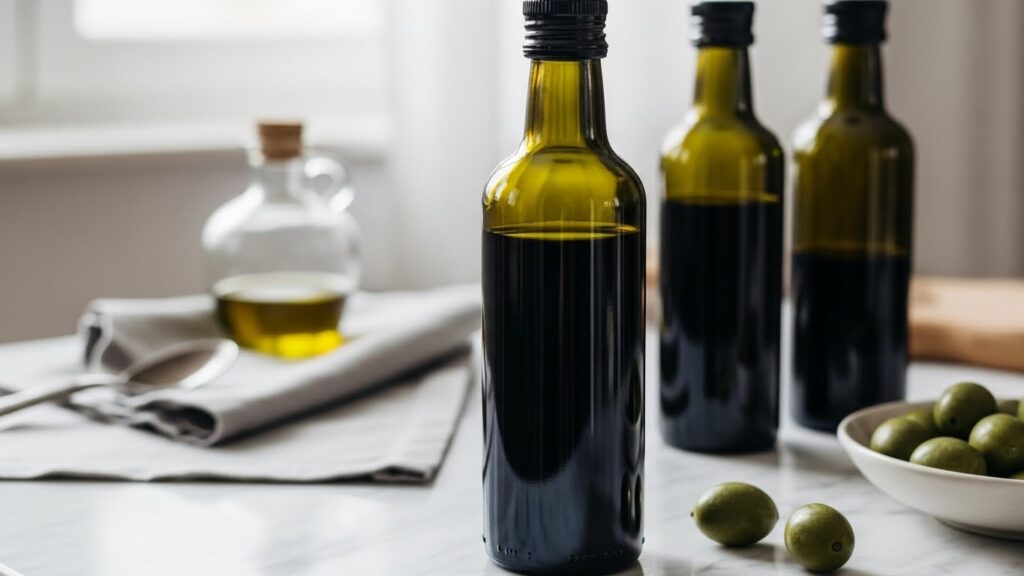
6. Packaging
Choose:
- Dark glass
- Tin containers
- Avoid clear bottles.
4. Storing Olive Oil Properly
To keep your oil fresh and flavorful:
- Store at 14-18°C (cool room temperature)
- Keep away from light, heat and air
- Use within 2-3 months after opening
- Never store it by the stove
Tip: Buy smaller bottles more often.
5. Common Mistakes When Cooking with Olive Oil
- Using old or rancid oil
- Frying with untrustworthy “light olive oil”
- Buying clear-glass supermarket bottles
- Assuming EVOO can’t be used for sautéing (it can!)
- Storing oil in the fridge (causes condensation)
- Choosing by color (color is not a quality indicator)
6. Best Olive Oils by Region (Trusted Brands)
Greek
- Iliada
- Gaea
- Terra Creta
- Kalamata PDO Oils
Italian
Spanish
- Castillo de Canena
- Oro Bailén
- Oro del Desierto
- Carbonell (everyday option)
These brands have track records of awards, certified origins and transparent sourcing.
7. Comparison Table: Olive Oil Types
| Oil Type | Flavor | Best Uses | Smoke Point | Pros | Cons |
| EVOO | Bold, fruity and peppery | Drizzling, salads, sautéing | 375-410°F | Highest antioxidants | Strong flavor for some |
| Virgin | Mild | Everyday cooking | ~420°F | Balanced | Less robust |
| Refined | Neutral | High-heat | ~470°F | Very stable | No aroma |
| Cold-Pressed | Pure and aromatic | Finishing | Same as EVOO | Quality | Pricier |
| Unfiltered | Cloudy and bold | Dips and dressing | Lower | Intense flavor | Short shelf life |
| Blends | Mild | Frying/sautéing | Medium-high | Budget-friendly | Less traceable |
8. Chef Tips for Using Olive Oil
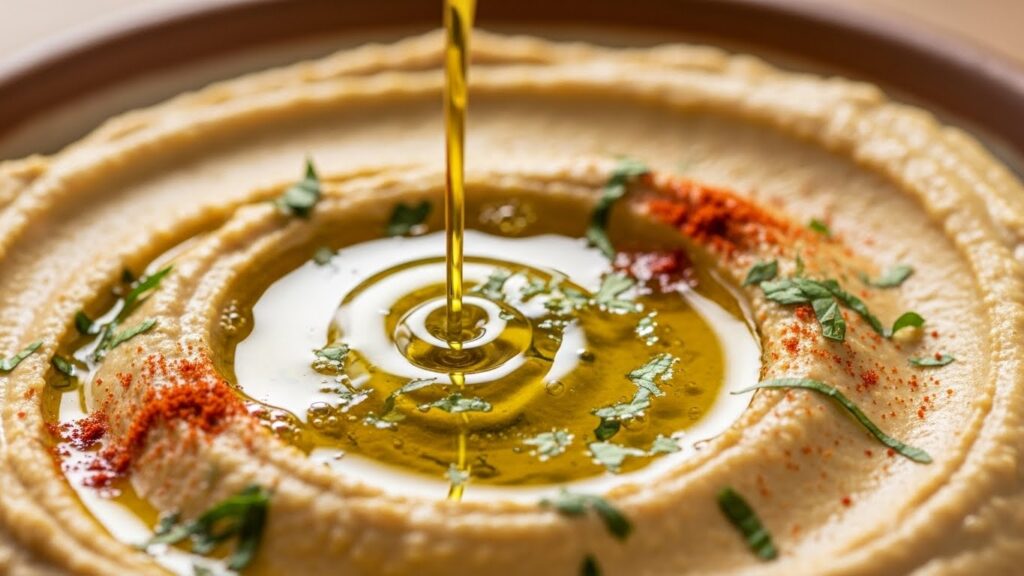
- “Use bold Greek EVOO for roasted vegetables – heat unlocks deeper pepper notes.”
- “Spanish Picual is unbeatable for finishing paella thanks to its grassy bite.”
- “Use Lebanese or Turkish oils for mezze; they complement herbs like mint and parsley.”
- “For frying, choose a high-polyphenol EVOO; it stays stable longer.”
9. Recipe Suggestions Based on Oil Type
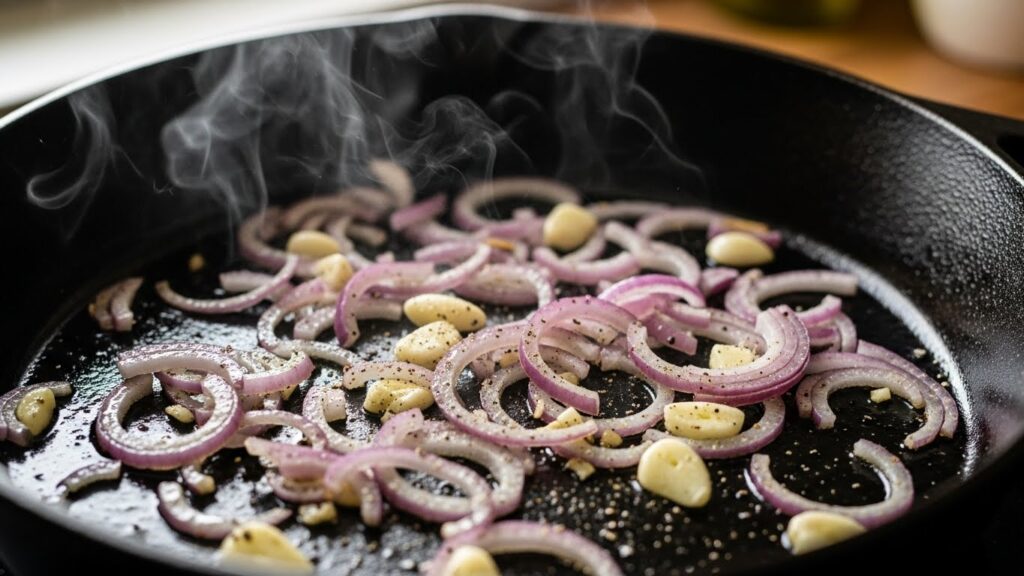
| Oil Type | Recipe Suggestions |
| Greek EVOO (Koroneiki) | Spanakopita Recipe, Greek Gyro Meat Recipe, Lemon potatoes |
| Spanish EVOO (Picual, Arbequina) | Paella Recipe, Pan con tomate, Patatas bravas |
| Lebanese EVOO | Tabbouleh Recipe, Hummus Recipe, Baba ganoush |
| Italian EVOO | Pesto, Caprese salad and Pasta aglio e olio |
| Unfiltered Oil | Dips, bread and finishing Shakshuka |
| Refined Oil | High-heat frying for seafood or vegetables |
If you are someone interested in knowing about mediterranean diet, you can go through our article on: 10 Mediterranean Cooking Mistakes to Avoid
10. FAQs
1. What’s the healthiest olive oil?
High-polyphenol extra virgin olive oil, freshly harvested and stored properly.
2. Can I fry with olive oil?
Yes, EVOO is stable for shallow frying, sautéing and even deep frying when high quality.
3. Does color indicate quality?
No, flavor, harvest date and certifications matter more.
4. What’s the best olive oil for beginners?
A balanced EVOO from Spain or Greece. Look for mild and medium-intensity bottles if you prefer gentle flavor.
5. How long does olive oil last after opening?
2-3 months for the best aroma and antioxidant retention.
Conclusion
Choosing the best olive oil isn’t complicated; it’s about freshness, transparency and matching the right flavor to the right recipe. With quality EVOO in your kitchen, Mediterranean cooking becomes aromatic, nourishing and irresistibly flavorful.