The Mediterranean diet has long been celebrated not just as a way of eating, but as a sustainable lifestyle that honors fresh ingredients, community, and simple culinary techniques. At its core, this culinary tradition relies heavily on the quality of whole foods rather than complex processing or heavy, masking sauces. When you step into a kitchen dedicated to these principles, you are stepping into a centuries-old philosophy that prioritizes balance, vibrancy, and longevity. Understanding how to orchestrate these clean flavors requires looking closely at how simple elements interact on the plate.
To truly appreciate this approach to food, one must understand that it is built upon a foundation of key regional staples. Olive oil, wild herbs, lean proteins, sun-ripened vegetables, and ancient grains form the canvas. However, the real magic happens when you learn how to balance the fundamental taste profiles: salt, fat, acid, and heat. By mastering these interactions, any home cook can elevate basic ingredients into an extraordinary dining experience without relying on inflammatory additives or overly complicated cooking procedures.
The Liquid Gold: Selecting and Using Olive Oil
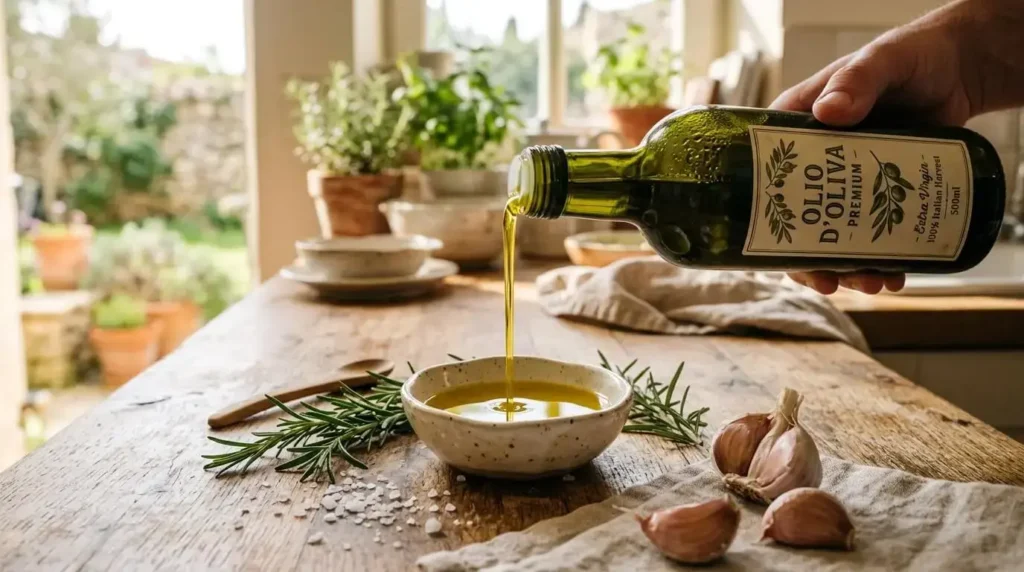
No single ingredient defines the Mediterranean landscape quite like extra virgin olive oil. It is the lifeblood of the kitchen, serving simultaneously as a cooking medium, a flavor enhancer, and a finishing element. Unlike neutral refined oils, high-quality olive oil carries its own distinct personality, ranging from bright and grassy to peppery and robust. The choice of oil can completely transform the trajectory of a dish, making it crucial to select the right bottle for the right task.
When preparing a dish, it is helpful to categorize your olive oils into two distinct tiers: cooking oils and finishing oils. A standard, reliable extra virgin olive oil is excellent for gentle sautéing, roasting root vegetables, or sweating aromatics. Its smoke point is perfectly adequate for the medium-heat techniques that dominate traditional recipes. On the other hand, an estate-bottled, robustly flavored finishing oil should be treated like a precious seasoning. Reserved for raw applications, it should be drizzled generously over a warm bowl of soup, a freshly tossed salad, or a platter of grilled fish just before serving, allowing the ambient heat to release its volatile aromatic compounds.
Honoring the Seasonal Harvest
Vegetables are never an afterthought or a mere side dish in this style of cooking; they frequently occupy the center of the plate. The secret to making vegetables the star of the show lies in respecting their seasonal natural sugars and textures. Rather than boiling or overprocessing them until they lose their structural integrity and vibrant colors, traditional techniques aim to concentrate their inherent sweetness through roasting, charring, or slow braising.
Consider the humble tomato, zucchini, or eggplant. When subjected to the dry, high heat of a hot oven or an open flame, their moisture evaporates, caramelizing their natural sugars and developing deep, complex flavor profiles. This transformation is amplified when paired with aromatics like red onions, whole garlic cloves, and a generous dusting of dried oregano or thyme. As these ingredients roast together, their juices mingle with the olive oil, creating a rich, self-saucing pan environment that tastes remarkably decadent while remaining entirely light, clean, and nutritious.
Balancing Acid and Earthy Herbs
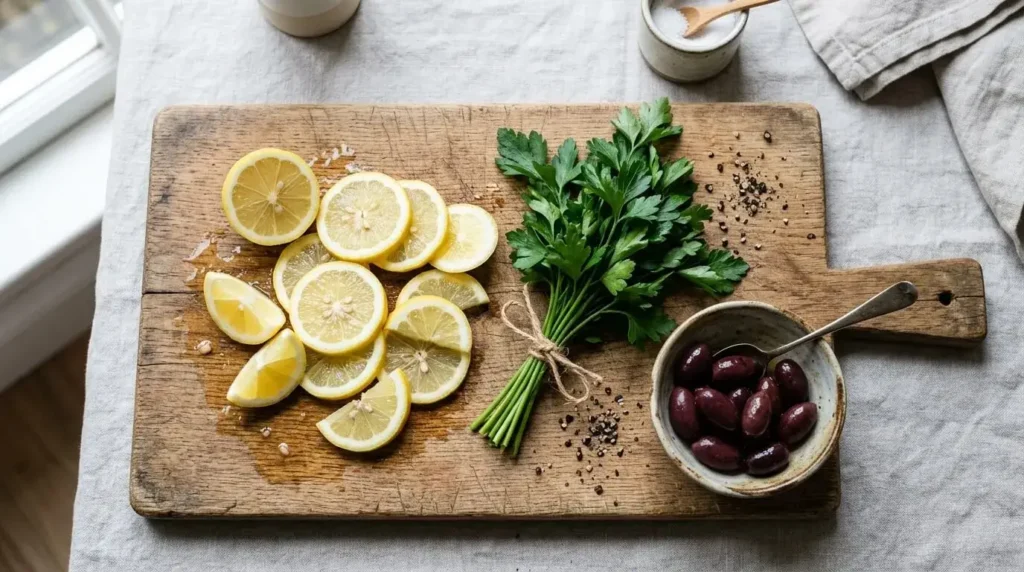
While healthy fats provide richness and depth, a dish can easily taste heavy or flat without a counterbalancing element. This is where acid steps into the spotlight. The strategic application of acidity is what gives Mediterranean food its signature brightness and mouth-watering appeal. Freshly squeezed lemon juice, sharp red wine vinegar, and aged balsamic vinegar act as flavor clarifiers, cutting through richness and highlighting the natural sweetness of companion ingredients.
In addition to acid, fresh and dried herbs provide the essential top notes that complete a flavor profile. Wild herbs like rosemary, thyme, oregano, mint, and flat-leaf parsley do more than just add visual color; they bring distinct earthy, floral, and cooling characteristics to the table. Hardier herbs like rosemary and thyme thrive when cooked alongside meats and root vegetables, standing up well to heat and infusing their oils deeply into the food. Conversely, delicate herbs like parsley, basil, and mint should always be added at the absolute end of the cooking process, ensuring their bright colors and fragile, fresh oils remain fully intact.
Sourcing and Preparing Sustainable Proteins
Protein consumption in the Mediterranean basin traditionally emphasizes variety, moderation, and proximity to nature. Coastal regions naturally highlight fresh seafood, while inland communities rely more heavily on poultry, legumes, and occasional lean cuts of lamb or goat. When preparing proteins, the goal is to enhance their natural textures using clean, straightforward methods like grilling, pan-searing, or gentle poaching.
Fish and seafood, rich in essential fatty acids, require minimal intervention to taste spectacular. A whole sea bass or a fillet of wild salmon needs little more than a rubbing of olive oil, a stuffing of lemon wheels and herbs, and a quick turn over a hot grill or inside a hot oven. Legumes, such as chickpeas, lentils, and cannellini beans, serve as highly nutritious, fiber-rich protein alternatives. When slow-simmered with a base of carrots, celery, onions, and a bay leaf, they absorb those foundational aromatics, transforming into comforting, hearty bases that support a wide variety of meals.
The Evolution of Ancient Grains
No discussion of this culinary philosophy is complete without acknowledging the role of complex carbohydrates and ancient grains. Far from the highly processed white flours common in modern western diets, traditional grains like farro, barley, bulgur, and couscous are consumed in their unrefined states. These grains retain their outer bran and germ layers, providing a nutty flavor, a satisfyingly chewy texture, and a steady, slow-burning source of complex energy.
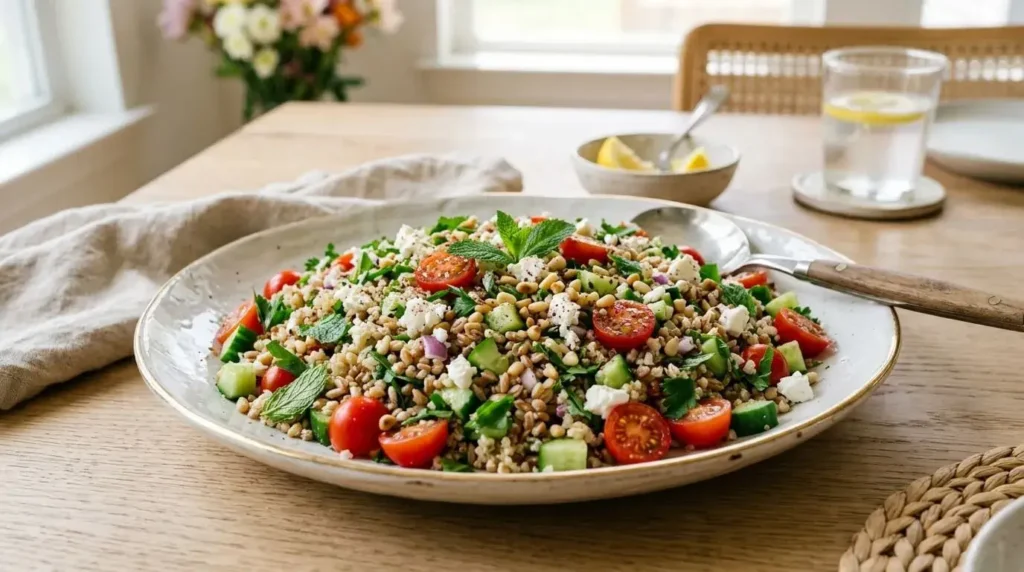
Cooking ancient grains successfully involves treating them with the same respect as a main protein. Instead of boiling them in plain water, simmering them in a rich vegetable or bone broth infuses them with deep flavor from the inside out. Once cooked, tossing the warm grains with a splash of vinegar, a drizzle of olive oil, and a handful of minced fresh herbs creates a versatile salad base that stores beautifully and pairs perfectly with roasted vegetables or grilled proteins.
Crafting the Complete Dining Experience
Ultimately, the true secret of Mediterranean cuisine doesn’t reside within a single hidden ingredient or a highly guarded technique. Instead, it is found in the deliberate harmony of fresh, seasonal components handled with simplicity and respect. By ensuring your pantry is stocked with high-quality olive oil, fresh citrus fruits, various vinegars, clean proteins, and an assortment of wholesome grains, you gain the freedom to create nourishing, vibrant meals every single day.
As you continue to explore these flavor relationships in your own kitchen, remember to focus on balance. Let the natural sweetness of your roasted vegetables contrast with the sharp bite of fresh lemon or vinegar. Allow the rich texture of cold-pressed olive oil to soften the earthy intensity of your wild herbs. By embracing this approach to cooking, you create a sustainable, deeply satisfying relationship with food that nourishes both the body and the spirit, one beautiful plate at a time.