
Healthy • Easy • Mediterranean Diet • Side Dish
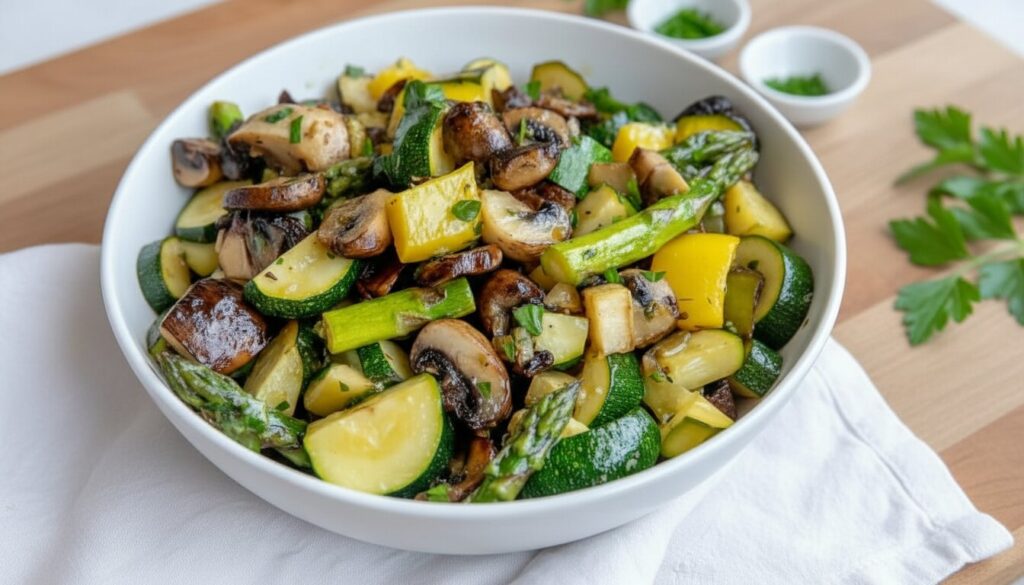
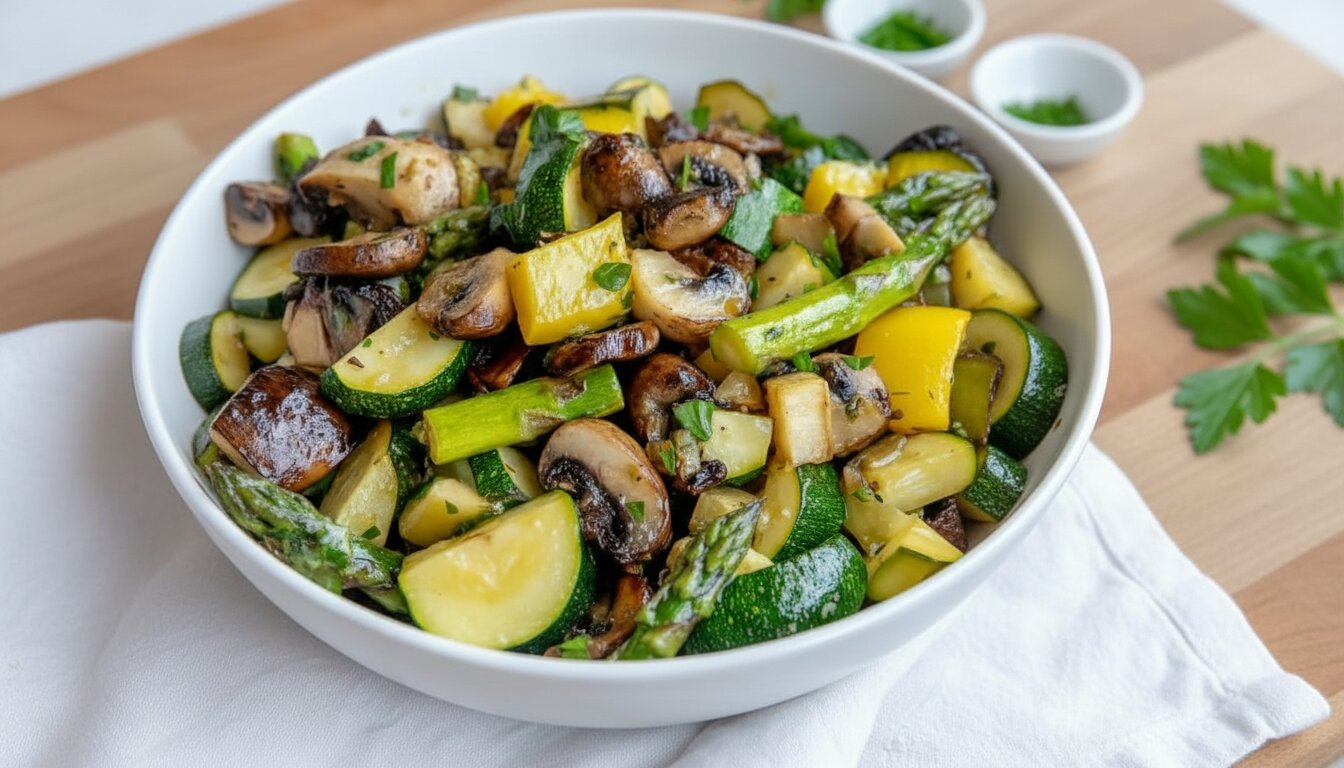
Finding a side dish that is as nutritious as it is delicious can often feel like a culinary challenge. Enter the Mediterranean-style sautéed vegetable medley recipe—a vibrant, sun-soaked dish that brings the coastal flavors of Italy, Greece, and Spain right to your dinner table.
Mediterranean sautéed vegetables are defined by their simplicity and the quality of their ingredients. In Mediterranean cooking, vegetables aren’t just an afterthought; they are the stars of the plate. This healthy vegetable medley recipe relies on high-heat sautéing to caramelize the natural sugars in the produce, resulting in a crisp-tender texture that beats mushy steamed veggies every time. Whether you’re looking for a quick weeknight solution or a colorful addition to a dinner party, these sautéed Mediterranean vegetables are the ultimate versatile side dish.
Why This Mediterranean Vegetable Medley Is So Healthy
Adopting Mediterranean diet vegetable recipes is one of the most scientifically backed ways to improve heart health and longevity. This specific medley is a nutritional powerhouse for several reasons:
- Liquid Gold (Olive Oil): We use heart-healthy extra-virgin olive oil, which is rich in monounsaturated fats and polyphenols.
- Fiber-Rich Foundation: Ingredients like zucchini and asparagus provide essential fiber for gut health and satiety.
- Anti-Inflammatory Power: Garlic and fresh herbs are natural anti-inflammatories that add depth without the need for excess sodium.
- Phytonutrient Diversity: By using a “rainbow” of vegetables, you’re consuming a wide array of antioxidants that protect cells from oxidative stress.
Ingredients for Mediterranean-Style Sautéed Vegetables
To master this asparagus zucchini recipe, you’ll need fresh, seasonal produce. Here is what makes this medley shine:
- Asparagus: Provides a nutty earthiness and a satisfying snap.
- Zucchini & Yellow Squash: These summer staples absorb the garlic and oil perfectly while providing a soft contrast to the asparagus.
- Garlic: Four cloves (at least!) to provide that signature pungent Mediterranean aroma.
- Extra-Virgin Olive Oil: The high-quality fat source that carries all the flavor.
- Cherry Tomatoes (Optional): These burst during cooking, creating a light, natural sauce.
- Fresh Herbs: Parsley, oregano, or basil added at the very end.
- Lemon Juice: A final squeeze of acidity to “wake up” the earthy flavors.
How to Make Sautéed Mediterranean Vegetables (Step-by-Step)
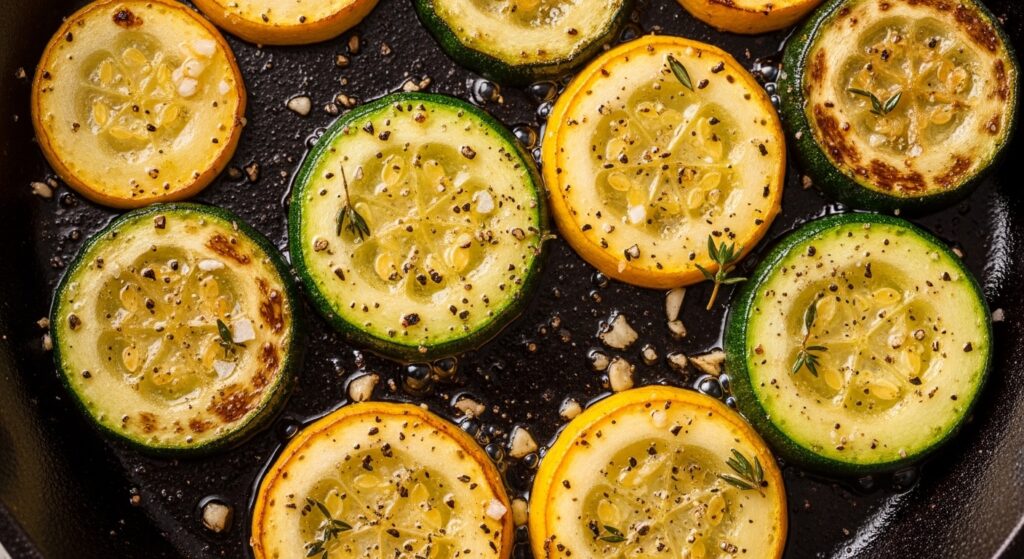
Creating a sautéed zucchini and squash recipe that isn’t soggy requires a bit of technique. Follow these steps for the perfect texture.
Step 1: Prepare the Vegetables
Consistency is key. Slice your zucchini and squash into uniform half-moons. Trim the woody ends off the asparagus and cut them into 2-inch pieces. Halve your cherry tomatoes if using.
Step 2: Heat Olive Oil Properly
Place a large skillet or wok over medium-high heat. Add the olive oil and wait until it shimmers. If the oil isn’t hot enough, the vegetables will soak it up and become greasy rather than searing.
Step 3: Sauté Aromatics
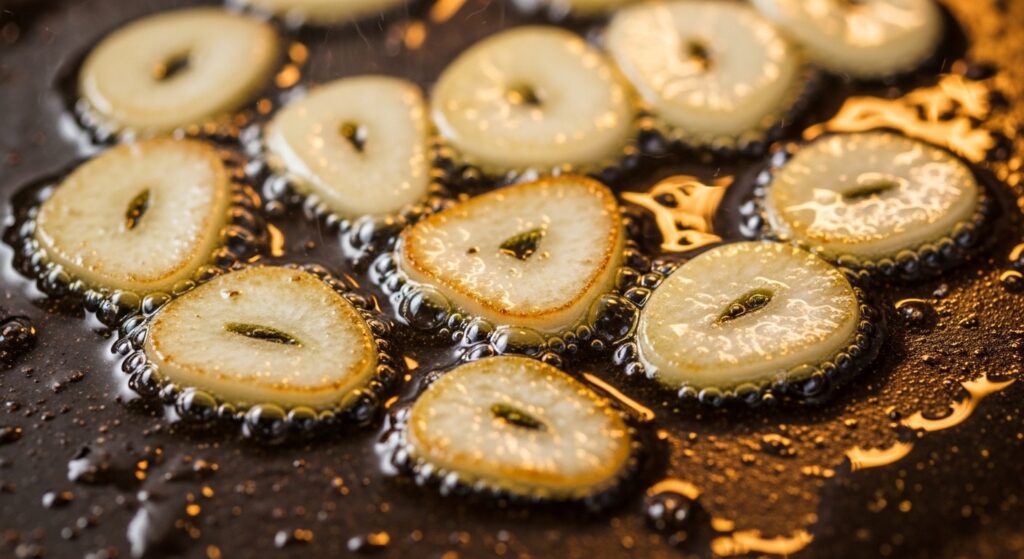
Add the minced garlic. Sauté for only 30–60 seconds until fragrant. Do not let it brown or it will turn bitter.
Step 4: Cook Vegetables in Stages
Add the asparagus first, as it takes the longest. After 2 minutes, add the zucchini and squash. Leave them undisturbed for a minute to get a nice golden sear before tossing. Add tomatoes in the last 2 minutes.
Step 5: Finish with Herbs & Lemon
Once the vegetables are crisp-tender, remove from heat. Toss in fresh herbs, sea salt, cracked black pepper, and a generous squeeze of lemon juice.
Chef Tips for Perfect Mediterranean Sautéed Vegetables
- Don’t Overcrowd the Pan: If the vegetables are piled on top of each other, they will steam instead of sauté. Use your largest skillet or cook in two batches.
- The “Sizzle” Factor: You should hear a distinct sizzle the moment the veggies hit the pan. If it’s quiet, your heat is too low.
- Order Matters: Always start with the densest vegetables (carrots or asparagus) and end with the high-moisture ones (tomatoes or spinach).
- Keep it Al Dente: Mediterranean vegetables are best when they still have a slight “bite” to them.
Easy Variations You Can Try
- Greek Style: Crumble 50g of high-quality feta cheese over the top just before serving.
- Italian Herb: Use a blend of dried oregano, rosemary, and thyme during the cooking process.
- Vegan Garlic Lemon: Double the garlic and add lemon zest for an extra punch without dairy.
- Spicy Mediterranean: Add a pinch of red chili flakes (pul biber) for a subtle heat common in Turkish cuisine.
Ingredients
Method
- Heat: In a large skillet, heat olive oil over medium-high heat.
- Aromatics: Add minced garlic and sauté for 30 seconds until fragrant.
- Sauté: Add asparagus and cook for 3 minutes, tossing occasionally.
- Combine: Add zucchini and yellow squash. Sauté for an additional 5–6 minutes until edges are golden and veggies are crisp-tender.
- Finish: Add cherry tomatoes and cook for 2 more minutes until they just begin to soften.
- Season: Remove from heat. Stir in salt, pepper, lemon juice, and parsley. Serve warm.
Notes
- The “Sizzle” Rule: Ensure the skillet is shimmering hot before adding vegetables. If you don’t hear a loud sizzle, remove the veggies and wait another 30 seconds to prevent oil absorption and sogginess.
- Uniform Slicing: Cut zucchini and squash into consistent 1/4-inch half-moons. This ensures they cook at the same rate as the asparagus spears.
- Garlic Timing: Never add garlic at the start with the oil. Add it only 30 seconds before the first vegetable to prevent burning and bitterness.
- Acid at the End: Always add lemon juice after removing the pan from heat. Cooking lemon juice can dull the vibrant green color of the asparagus and zucchini.
- Salt Management: Use coarse sea salt or kosher salt. If substituting with table salt, reduce the measurement by half to avoid over-salting.
- Meal Prep Tip: If prepping ahead, undercook the vegetables by 2 minutes. They will finish “cooking” during the reheating process, maintaining their crisp-tender texture.
Storage and Meal Prep Tips
- Refrigeration: Store leftovers in an airtight container for up to 4 days.
- Reheating: Avoid the microwave if possible, as it makes zucchini mushy. Instead, flash-fry them in a hot skillet for 2 minutes to regain some texture.
- Freezing: We do not recommend freezing this specific sautéed medley, as the high water content in squash causes it to lose its structure upon thawing.
Frequently Asked Questions
Can I roast instead of sauté Mediterranean vegetables? Yes! If you prefer a sweeter, softer flavor, toss the same ingredients in oil and roast at 200°C (400°F) for 25 minutes.
What vegetables work best in Mediterranean cooking? Zucchini, eggplant, bell peppers, tomatoes, and artichokes are the core staples of the region.
Is this recipe good for the Mediterranean diet? Absolutely. It is plant-forward, uses healthy fats, and is naturally low in processed sugars.
How do I keep zucchini from getting mushy? Salt the zucchini 10 minutes before cooking to draw out moisture, pat dry, and use high heat to sear the exterior quickly.