
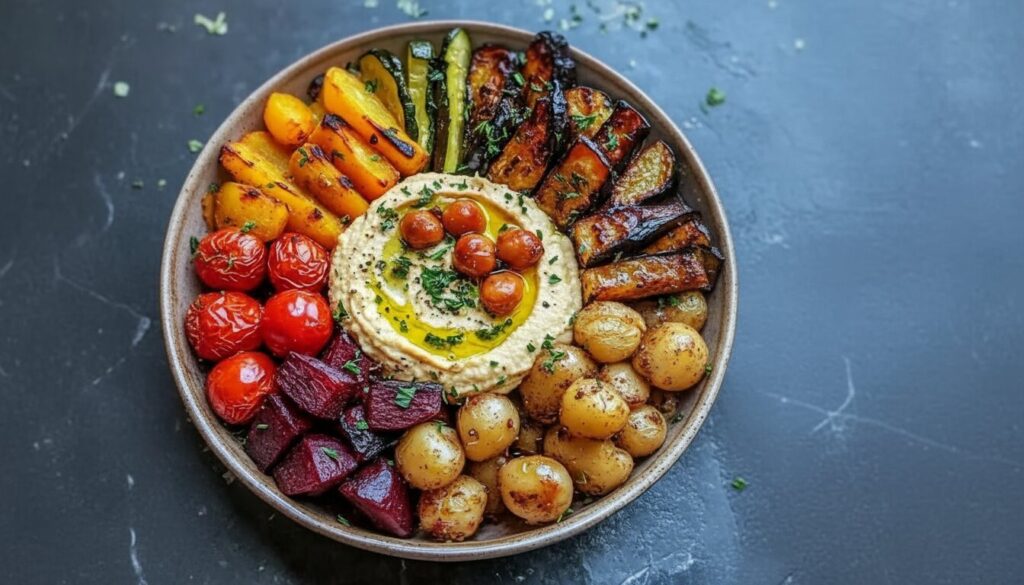
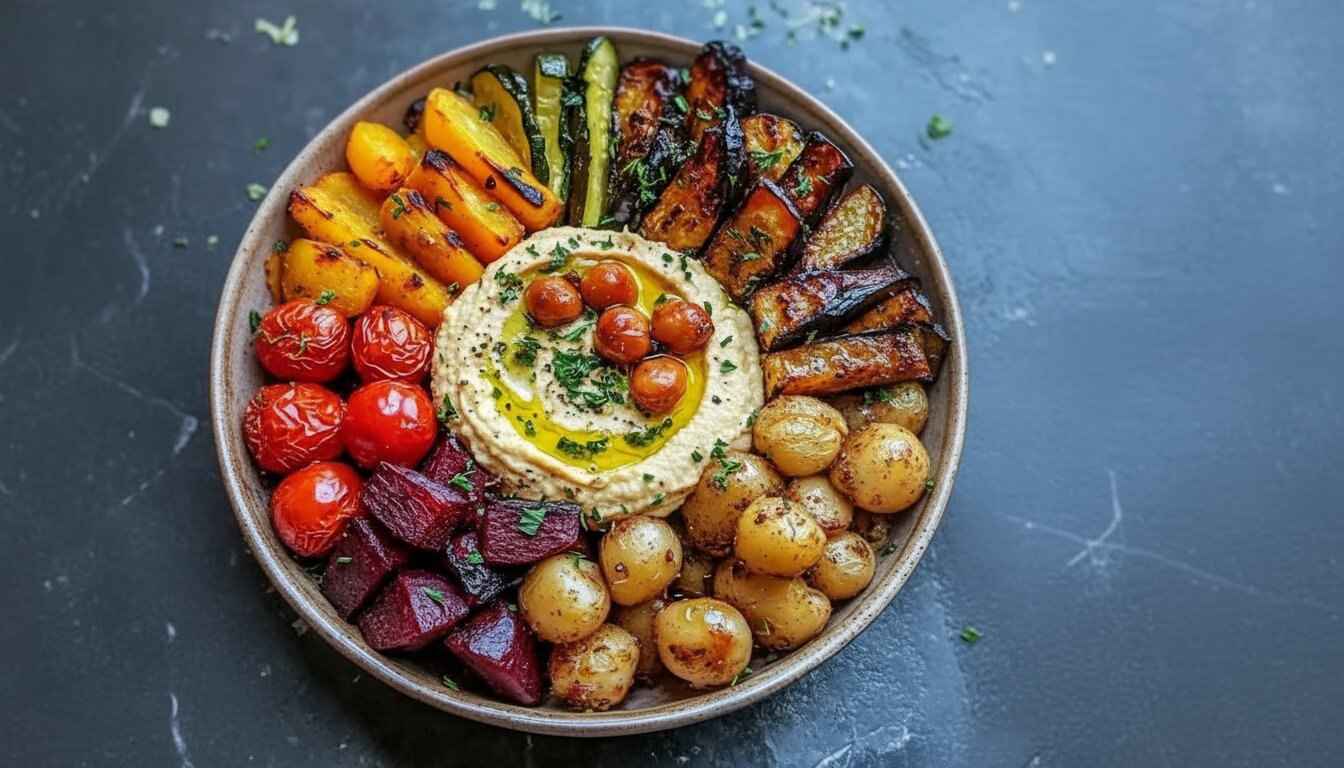
In the world of Mediterranean cuisine, few things are as satisfying or visually stunning as a well-assembled bowl. If you are looking for a meal that balances vibrant colors, rich textures, and deep, earthy flavors, this Roasted Veggie & Hummus Bowl recipe is your new weeknight hero.
Mediterranean bowl meals have skyrocketed in popularity, and for good reason. They offer a “choose your own adventure” approach to healthy eating, allowing you to pile on nutrient-dense ingredients without feeling weighed down. Currently, the roasted vegetable hummus bowl is trending across social media and health blogs because it hits the “trifecta” of modern dining: it’s photogenic, incredibly easy to meal prep, and naturally accommodates various dietary needs.
Whether you are a lifelong devotee of the Mediterranean diet or just looking for a delicious way to eat more greens (and reds, and yellows!), this bowl delivers a punch of plant-based protein and heart-healthy fats in every bite.
Why You’ll Love This Mediterranean Hummus Bowl
What makes this specific Mediterranean hummus bowl stand out from your average salad? It’s all about the contrast between the warm, caramelized roasted vegetables and the cool, creamy hummus base.
- Nutrient-Rich: This bowl is a fiber powerhouse, packed with vitamins A, C, and K from the diverse vegetable medley.
- Mediterranean Diet Approved: It relies on healthy monounsaturated fats (olive oil) and plant-based staples, aligning perfectly with one of the world’s healthiest eating patterns.
- Naturally Vegan & Gluten-Free: Without any modifications, this recipe is accessible to almost everyone at your table.
- Meal Prep Friendly: You can roast a giant sheet pan of veggies on Sunday and enjoy fresh-tasting bowls all week long.
- Endless Customization: While we love the vegetable-forward approach, you can easily bulk this up with grains like farro or add extra protein.
Ingredients for Roasted Veggie & Hummus Bowl
To get that authentic Mediterranean flavor profile, quality matters. Use the freshest produce you can find and a high-quality extra virgin olive oil.
For the Roasted Vegetables
- Zucchini: 2 medium, sliced into half-moons.
- Bell Peppers: 1 red and 1 yellow, de-seeded and chopped into 1-inch pieces.
- Red Onion: 1 large, cut into thick wedges to maintain texture.
- Cherry Tomatoes: 1 cup, left whole (they pop beautifully in the oven).
- Olive Oil: 3 tablespoons of extra virgin olive oil.
- Seasonings: 1 tsp garlic powder, 1 tsp dried oregano, salt, and cracked black pepper to taste.
For the Bowl Base
- Hummus: 1.5 cups of your favorite variety (Classic, Roasted Red Pepper, or Garlic work best).
- Grains (Optional): 2 cups of cooked quinoa or brown rice for a more filling roasted vegetable grain bowl.
Toppings & Garnishes
- Cucumber: 1 English cucumber, diced for a refreshing crunch.
- Olives: ½ cup Kalamata olives, pitted and halved.
- Feta Cheese (Optional): ½ cup crumbled feta (omit for vegan).
- Fresh Herbs: A handful of chopped fresh parsley.
- Acid: Fresh lemon juice and a final drizzle of olive oil.
How to Make Roasted Veggie & Hummus Bowl
Follow these simple steps to bring this vibrant dish to life.
Step 1: Prep and Preheat
Preheat your oven to 400°F (200°C). While the oven heats, chop your zucchini, peppers, and onions. Ensure they are relatively uniform in size to encourage even cooking.
Step 2: Roast to Perfection
Toss the vegetables and cherry tomatoes on a large baking sheet with olive oil, garlic powder, oregano, salt, and pepper. Spread them in a single layer—crowding the pan will cause them to steam rather than roast. Roast for 20-25 minutes, or until the edges are slightly charred and the tomatoes have burst.
Step 3: Prepare the Base
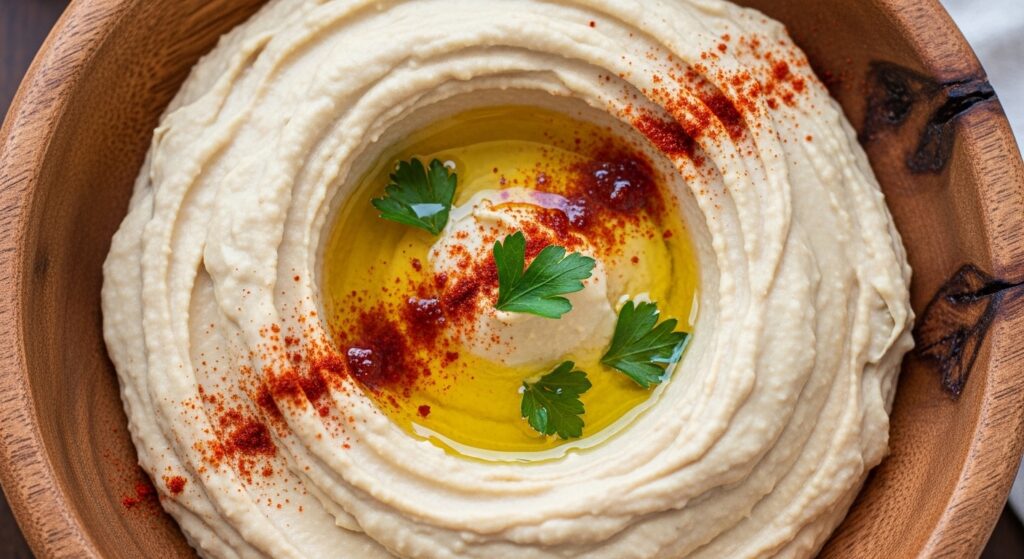
While the veggies roast, prepare your base. If using quinoa or rice, ensure it is fluffy and warm. Spread a generous swirl of hummus at the bottom of each bowl.
Step 4: Assemble
Divide the warm roasted vegetables among the bowls, placing them right on top of or alongside the hummus. Add your fresh cucumber, olives, and feta cheese.
Step 5: The Finishing Touches
Top with fresh parsley. Just before serving, squeeze fresh lemon juice over the entire bowl and add one last drizzle of olive oil to tie the flavors together.
Ingredients
Method
- Preheat oven to 400°F (200°C).
- On a large baking sheet, toss zucchini, peppers, onion, and tomatoes with olive oil and spices.
- Roast for 20-25 minutes until tender and charred at the edges.
- If using grains, portion them into four bowls.
- Add a generous swirl of hummus to each bowl.
- Top with the warm roasted vegetables.
- Garnish with olives, feta, and parsley. Squeeze fresh lemon over the top before serving.
Notes
- Sheet Pan Success: Do not overcrowd the vegetables on the tray; if they are too close together, they will steam rather than roast and caramelize.
- Hummus Temp: While most people serve hummus cold, try spreading it in the bowl and letting the warm roasted veggies sit on top for a minute to slightly warm the hummus—it enhances the creaminess.
- Grain Options: For the best texture, use “fluffy” grains. If using quinoa, cook it in vegetable broth instead of water for an extra layer of savory flavor.
- Storage: Keep the roasted vegetables and grains in airtight containers for up to 4 days. Store the fresh toppings (cucumber, herbs) separately to maintain their crunch.
- Custom Heat: If you like a kick, add a pinch of red pepper flakes or a teaspoon of Harissa paste to the vegetables before roasting.
Best Vegetables for a Roasted Vegetable Hummus Bowl
The beauty of this recipe is its seasonality. While our base recipe uses Mediterranean staples, you can swap ingredients based on what’s in your fridge. Roasting is the preferred method because it undergoes the Maillard reaction, caramelizing the natural sugars in the vegetables and deepening the flavor profile.
- Eggplant: Adds a meaty, silky texture that is quintessentially Mediterranean.
- Cauliflower: Takes on a nutty flavor when roasted with cumin or paprika.
- Sweet Potatoes: Excellent for a cold-weather version, adding sweetness and complex carbs.
- Carrots: Slice them thin on a diagonal for a beautiful visual and a tender bite.
How to Build a Healthy Hummus Bowl
Building a healthy hummus bowl is an art form. To ensure a balanced meal that keeps you full, follow this 5-step layering guide:
- The Base: Start with a layer of leafy greens (like spinach or arugula) or a complex grain (quinoa/farro).
- The Hummus Layer: Use a “swoosh” technique. Spread the hummus against the side or bottom of the bowl to create a creamy anchor for the other ingredients.
- The Roasted Element: Add your warm, seasoned vegetables.
- The Fresh Element: Balance the roasted flavors with raw, crunchy toppings like cucumber, radish, or pickled onions.
- The Dressing: You don’t always need a heavy sauce. A simple squeeze of lemon and high-quality oil is often enough to let the ingredients shine.
Mediterranean Diet Benefits
Embracing a mediterranean hummus bowl is more than just a culinary choice; it’s a lifestyle move. This diet pattern is consistently ranked as the best for heart health and longevity.
- Rich in Healthy Fats: Using olive oil and tahini (in the hummus) provides monounsaturated fats that support brain health.
- Plant-Based Power: It prioritizes legumes and vegetables over processed meats.
- Anti-Inflammatory: The high concentration of antioxidants in colorful vegetables helps reduce inflammation in the body.
Recipe Variations
- Vegan Hummus Bowl: Ensure your hummus is vegan-certified and swap the feta for extra olives or a dollop of [tahini dressing].
- Mediterranean Grain Bowl: Swap the base for 1 cup of cooked farro or couscous to add a chewy, satisfying texture.
- High Protein Hummus Bowl: Add a scoop of roasted chickpeas, grilled lemon-herb chicken, or seared tofu to increase the satiety factor.
Meal Prep Tips
The roasted vegetable grain bowl is a meal prep superstar.
- Batch Roast: Double the vegetable portions. They stay delicious in the fridge for up to 4 days.
- Separation is Key: If taking this to work, keep the hummus and fresh cucumbers in small separate containers to prevent the bowl from becoming soggy.
- Texture Refresh: If eating leftovers, reheat the roasted veggies and grains in a toaster oven for 5 minutes to restore that “just-roasted” crispiness before adding them to the fresh hummus.
Frequently Asked Questions
What goes in a hummus bowl? A standard bowl includes a base (grains or greens), a large portion of hummus, roasted or raw vegetables, a protein source (like chickpeas or chicken), and Mediterranean accents like olives, feta, and lemon.
Is a hummus bowl healthy? Yes! It is high in fiber, plant-based protein, and healthy fats. It’s an excellent way to get multiple servings of vegetables in one meal.
Can I meal prep hummus bowls? Absolutely. It is one of the best meals for prepping because the components hold up well. Just keep the “wet” ingredients (like lemon juice or extra oil) separate until you’re ready to eat.
What grains work best in a hummus bowl? Quinoa is the most popular due to its protein content, but farro, bulgur wheat, and brown rice are excellent alternatives for a hearty texture.