
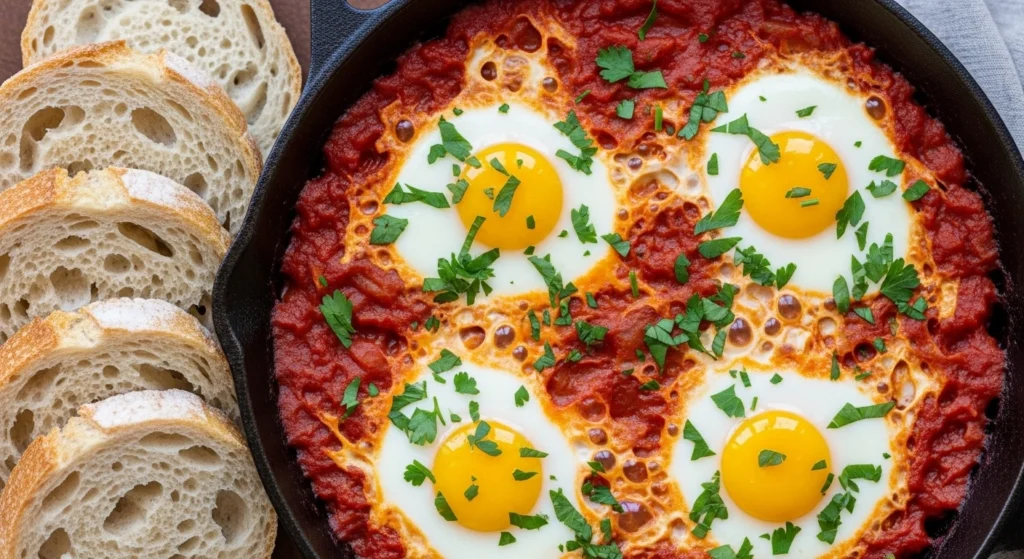
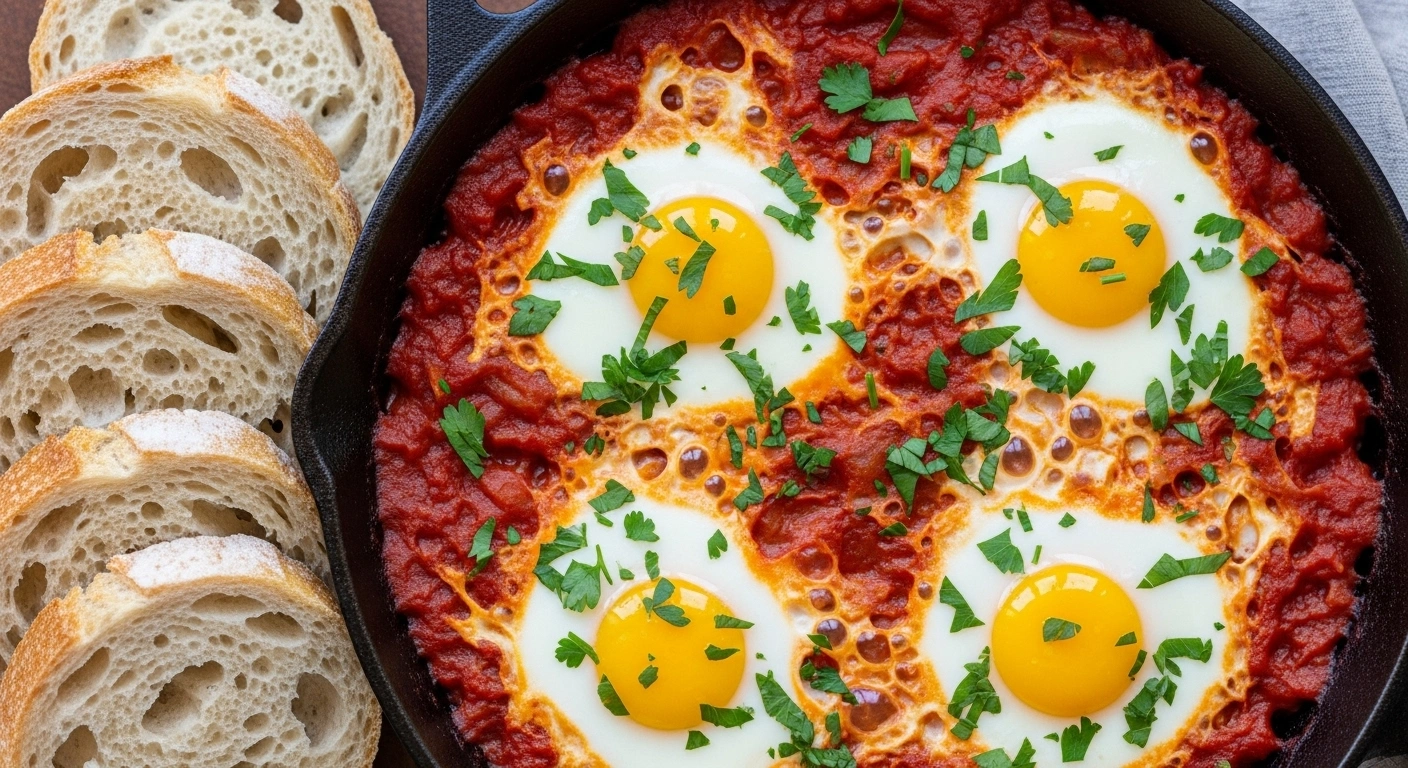
This easy and authentic shakshuka recipe is the perfect marriage of simple, rustic ingredients and vibrant, complex flavor. Picture perfectly poached eggs nestled in a rich and spiced tomato-and-pepper sauce. Moreover, this Middle Eastern egg dish is naturally a vegetarian, gluten-free, and incredibly healthy staple of the Mediterranean diet. It’s ready in under 30 minutes.
Covering everything from avoiding a watery sauce to achieving the ideal egg doneness, this recipe has been tested multiple times in our kitchen to guarantee flawless results for beginners.
Get ready to master this simple, show-stopping tomato and egg recipe.
What Is Shakshuka?
Shakshuka is a simple, yet intensely flavorful dish of eggs gently poached in a simmering sauce of tomatoes, chili peppers and onions, often seasoned with aromatic spices like cumin and paprika.
Shakshuka Origin
The word shakshuka (sometimes shakshouka) means “a mixture” or “shaken up” in Arabic. It originated in North Africa, most commonly in Tunisia, before spreading throughout the Middle East, where it has become a national favorite. In addition, it is a classic North African breakfast or brunch dish, though it’s enjoyed around the clock.
Shakshuka Flavor Profile
The flavor of shakshuka is a beautiful balance of savory, sweet and smoky. The sweetness of the tomatoes is grounded by earthy cumin, deepened by sweet or smoked paprika and brightened by fresh cilantro or parsley.
Why This Is the BEST Shakshuka Recipe (Mediterranean Diet Approved)
Our version stands out not just for delivering an authentic shakshuka flavor but also aligns perfectly with the principles of the Mediterranean diet. We simplify the method while enhancing the nutritional value.
Healthy Shakshuka Recipe
It’s packed with vegetables (tomatoes, peppers and onions), high in lean protein (eggs) and also uses heart-healthy olive oil. Additionally, the abundance of vegetables and spices makes it an anti-inflammatory powerhouse.
Mediterranean Diet Breakfast
Shakshuka is a time-saver, as it is a one-pan meal and is perfect for a busy morning. It’s also naturally low in saturated fat and high in fiber and antioxidants, which makes it an excellent and simple choice for those following a Mediterranean diet.
Beginner-Friendly Shakshuka Recipe
We include EXACT timing cues and troubleshooting for common pitfalls, making this the easy shakshuka recipe you’ll come back to again and again.
What Are the Ingredients in Shakshuka Recipe?
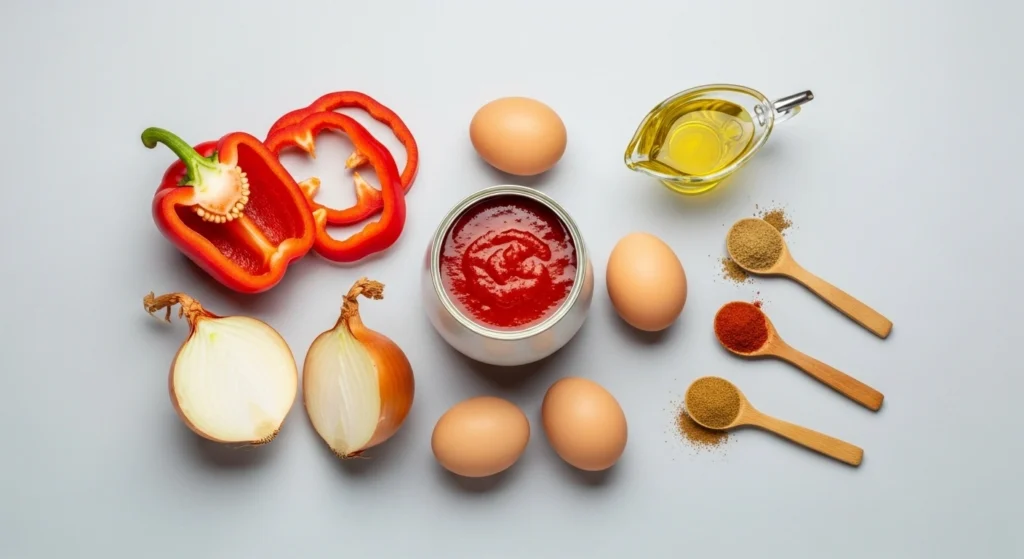
The simplicity of shakshuka ingredients is its genius. A great shakshuka can easily be made with pantry staples, but high-quality and fresh ingredients are always best.
| Ingredient | Note |
| Olive Oil | The base provides healthy fats. Ensure the use of high-quality extra virgin. |
| Onions & Bell Peppers | The aromatic foundation (bell peppers). As it provides texture and sweetness. |
| Garlic | Essential flavor booster. |
| Spices | Cumin and Paprika (smoked or sweet) are key for that earthy smoky depth. And a pinch of cayenne is optional for heat. |
| Tomatoes | The core of the sauce (tomatoes). See notes below on canned vs fresh. |
| Eggs | The protein (eggs). We’ll recommend you to use fresh and high-quality eggs. |
| Salt, Pepper and Sugar | Seasoning and balancing acidity. |
| Fresh Herbs | Parsley or cilantro for garnish and brightness. |
Canned vs Fresh Tomatoes
While fresh tomatoes are great in the summer, but we often recommend using high-quality whole peeled canned tomatoes (like San Marzano) for the best flavor and texture year-round. They are picked at their peak ripeness and provide a consistent sauce texture, making this a true shakshuka recipe with canned tomatoes.
How to Make a Simple Shakshuka: Step-by-Step Guide
Follow this guide for a perfect, restaurant-quality simple shakshuka recipe every time.
Step 1: Sauté the Aromatics
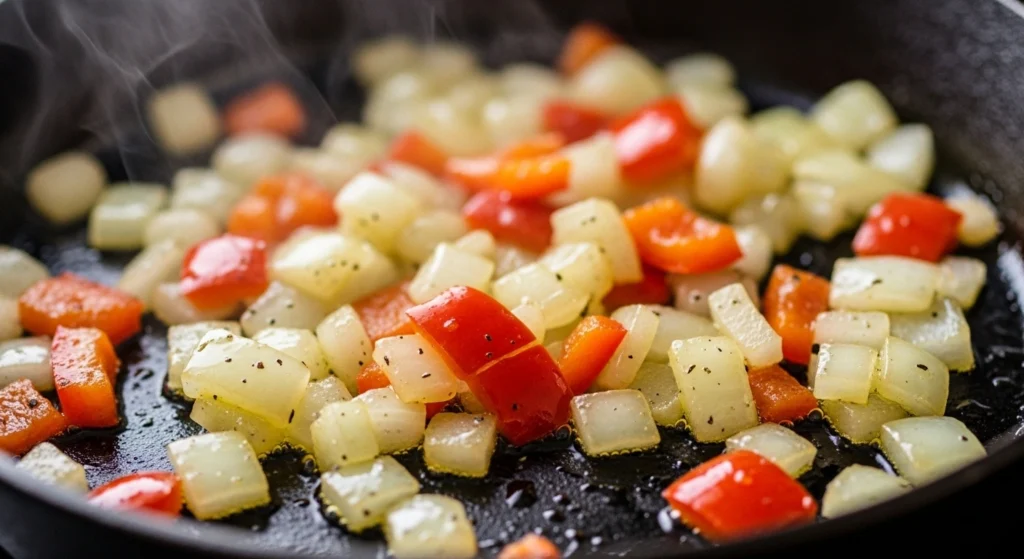
Heat 3 tablespoons of olive oil in a large and oven-safe skillet (cast iron or a heavy-bottomed pan works best) over medium heat. After that, add the diced onion and bell peppers. Now, sauté for 5-7 minutes until the onions are softened and become translucent. Undercooked peppers can be tough, so ensure they are tender now.
Step 2: Bloom the Spices
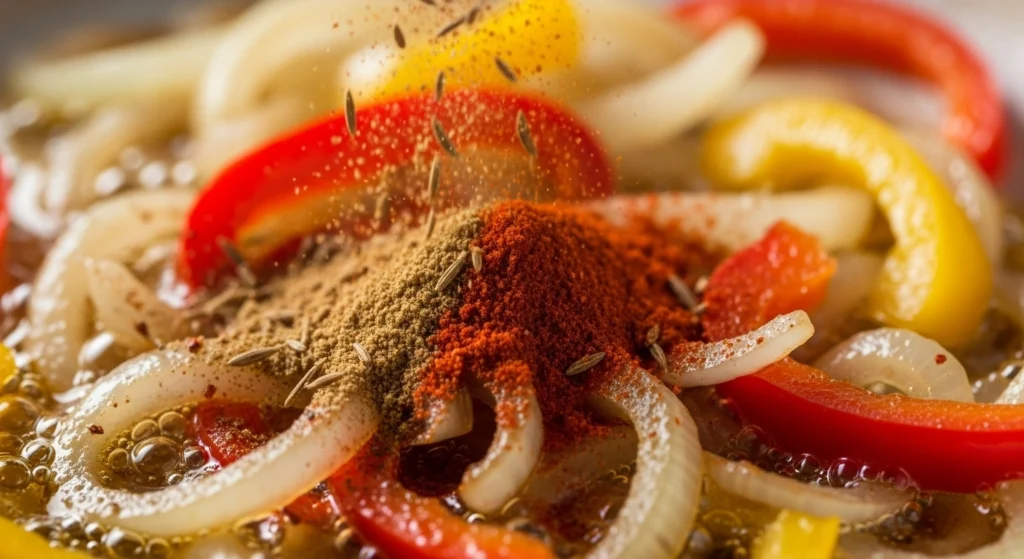
Reduce the heat to medium-low and add the minced garlic, 1 teaspoon of ground cumin, 1 teaspoon of paprika and a pinch of cayenne (if using). Once done, cook for about 60 seconds and stirring constantly. The step that is essential here is: Blooming spices in oil releases their fat-soluble flavor compounds, making the dish exponentially more aromatic and flavorful.
Step 3: Simmer the Tomato Sauce
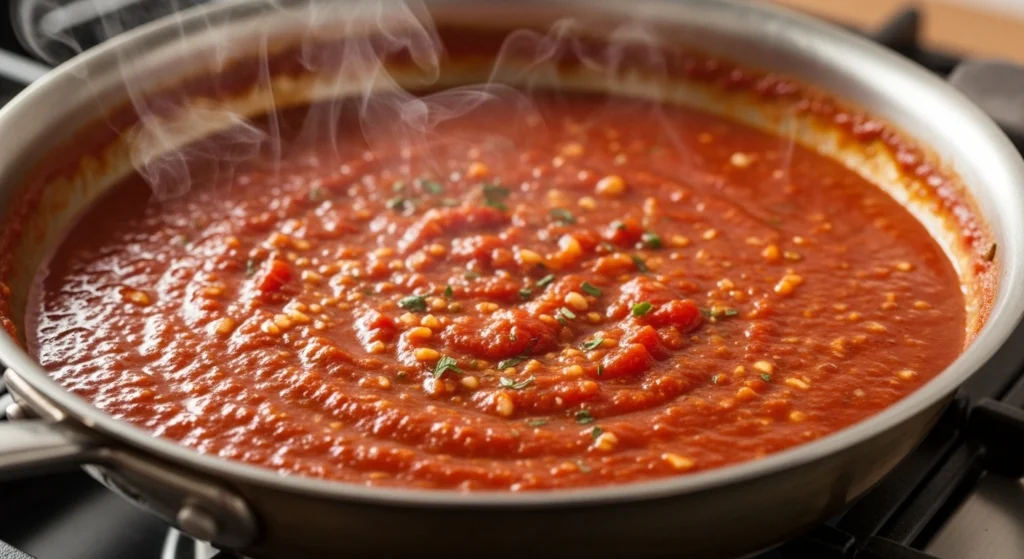
Pour in the crushed tomatoes (or whole canned tomatoes crushed by hand). Then season with salt, pepper and a pinch of sugar (sugar helps to balance the acidity of the tomatoes). Now, bring the sauce to a gentle simmer, then reduce the heat to low and cook for 10-15 minutes. The sauce should noticeably thicken; it should not be runny or watery.
Step 4: Create Wells and Add Eggs
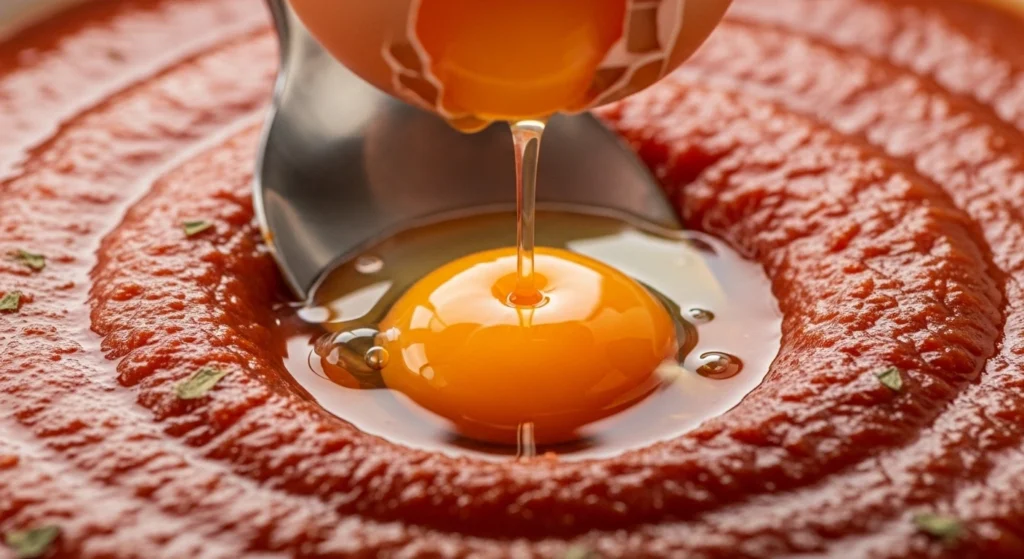
Create 4-6 small wells (depressions) in the sauce using the back of a spoon. Gently crack one egg into each well and season the eggs lightly with salt and pepper.
Step 5: Cover and Poach the Eggs

Cover the pan tightly with a lid. This is the secret to even cooking. Because the steam trapped by the lid helps the eggs cook from the top down, ensuring the whites are set while the yolks remain beautifully runny. Also poach for:
- Soft Yolks (Runny): 5-7 minutes
- Medium Yolks (Jus-set): 7-9 minutes
- Firm Yolks (Cooked through): 10-12 minutes
Step 6: Garnish and Serve
Remove the lid and check the doneness. Then garnish generously with fresh parsley or cilantro. Finally, serve immediately with warm bread for dipping
Common Mistakes in Making Shakshuka (and How to Fix Them)
Avoid these common pitfalls that even top food bloggers sometimes overlook! This section helps troubleshoot for the perfect easy shakshuka recipe.
| Mistake | The Problem | How to Fix It |
| Watery Sauce | Not simmering long enough, or using thin/low-quality canned tomatoes. | Simmer the sauce for a full 10-15 minutes, stirring occasionally, until it’s thick and holds its shape when stirred. |
| Burning Spices | The heat is too high when adding spices. But the spices should bloom, not burn. | Reduce the heat to medium-low before adding the garlic and spices. And only cook for a maximum of 60 seconds. |
| Overcooked Eggs | The poaching time is too long, or the pan was not covered. | Use the exact timing cues (5-7 mins for runny yolks) and always cover the pan to trap steam. |
| Raw Peppers | Not sautéing the aromatics long enough at the start. | Before adding the spices and tomatoe,s ensure the onions and peppers are soft and tender (5-7 mins). |
| Sauce Too Acidic | Tomatoes are naturally high in acid. | When you add the tomatoes, also add 1/2 teaspoon of sugar (or a pinch of baking soda). This balances the acidity without sweetening the sauce. |
| Sauce Too Thick | Simmered for too long or too many peppers/onions. | Add 1/4 to 1/2 cup of water or vegetable broth to the sauce before adding the eggs to loosen it slightly. |
Dietary Swaps and Substitutions for Shakshuka Ingredients
Shakshuka Without Peppers
Easily omit the bell peppers and you can add diced carrots or zucchini during the initial sauté for texture.
Spice Substitutes
In case you don’t have cumin, you can use a small amount of ras el hanout or garam masala. If you don’t want to use paprika, use a pinch more cayenne for heat, or chipotle powder for smoky depth.
Egg-Free Shakshuka (Vegan)
For a shakshuka vegan version, skip the eggs and substitute 1-inch cubes of firm or extra-firm tofu (pressed and drained) into the wells. Simmer and cover for 10 minutes to allow the tofu to absorb the sauce flavor. Then add a nutritional yeast sprinkle for a cheesy flavor.
Tomato Alternatives
You can make a “white” shakshuka using cream and spinach or try a green version (see below), but traditional shakshuka requires tomatoes.
Low-Calorie Swaps
For deeper flavor without extra fat, use slightly less olive oil (2 tbsp instead of 3) or use fire-roasted tomatoes.
Shakshuka Variations
Dive into the versatility of shakshuka by exploring these delicious variations!
Shakshuka with Feta
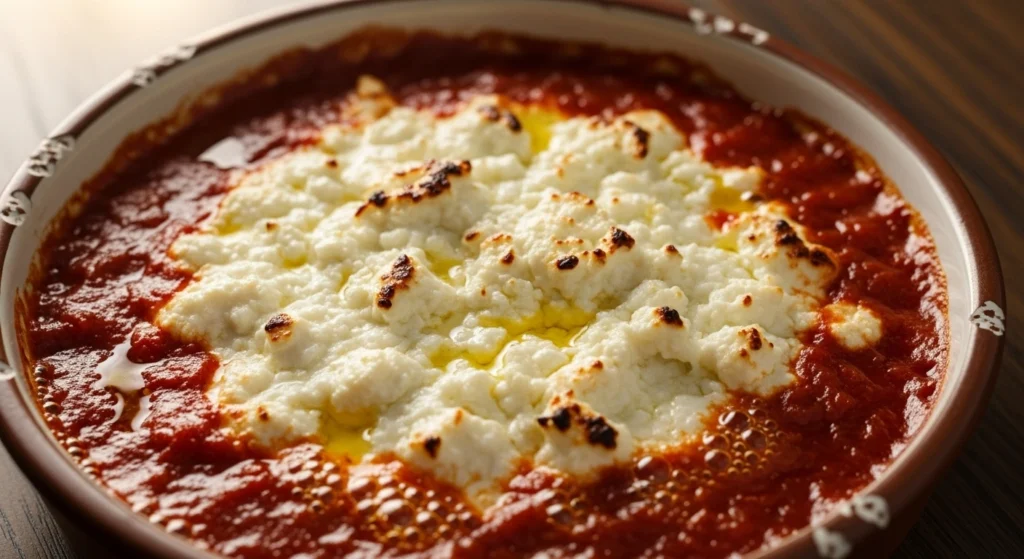
This is perhaps the most popular twist. For this, crumble 1/4 to 1/2 cup of feta cheese over the sauce once the eggs are added and before covering the pan. The feta will soften slightly and add a tangy and salty contrast to the rich tomato.
Turkish-Style Shakshuka (Menemen)
For a Turkish shakshuka recipe, the eggs are scrambled into the tomato mixture instead of being poached whole. You just have to whisk the eggs lightly and stir them into the sauce until just set.
Green Shakshuka
Skip the tomatoes and create a creamy green sauce base using sautéed onions, garlic, spinach, kale, artichoke hearts, cilantro and a splash of cream or coconut milk. This is an excellent way to make a vibrant and less acidic version.
Spicy Harissa Shakshuka
Stir in 1-2 tablespoons of Harissa (North African chili paste) with the garlic and spices for a significant kick.
Easy Shakshuka for One
To cook it for only one person, halve all the ingredients and use a small (8-inch) skillet or cast-iron pan. The process remains the same, but the cooking time will be reduced by a couple of minutes.
Expert Tips for Perfect Shakshuka (Chef Notes + Science)
These simple chef tips and shakshuka secrets will elevate your dish from good to unforgettable.
- The Science of Simmering: When you simmer the tomato sauce for 10-15 minutes, you are reducing the water content. This will intensify the tomato flavor and create a thick and luxurious base. The sauce will be thin and runny and not properly cradle the eggs without this reduction.
- Why You Must Cover the Pan: When a lid is placed on the skillet, it traps steam. This steam heats the air above the eggs, cooking them from the top down. And if you don’t cover it, the bottom of the egg white will be tough and rubbery while the top will remain raw. This ensures they cook evenly.
- Pan Choice Matters: A wide and heavy-bottomed skillet (like cast iron) is best. Because it provides even heat distribution and allows the eggs enough surface area to poach properly without overcrowding.
Expert Quote: “The key to authentic Middle Eastern cooking is patient blooming of the spices. Don’t rush that 60 seconds with the oil and cumin; it’s where the soul of the dish is released.” – Easy Mediterranean Recipes
Best Shakshuka Recipe
Ingredients
Method
- 1. Sauté Aromatics: Heat olive oil in a large skillet over medium heat. Then add onion and bell pepper. Lastly saute, for 5-7 minutes until soft.
- 2. Bloom Spices: Reduce heat to medium-low. After that, add garlic, cumin, paprika and cayenne. Then cook for 60 seconds, stirring constantly.
- 3. Simmer Sauce: Add crushed tomatoes, salt, pepper and sugar. Bring to a simmer, then reduce heat to low and cook for 10-15 minutes, until the sauce has thickened.
- 4. Add Eggs: Use a spoon to create 4-6 wells in the sauce. Then gently crack one egg into each well. Finally, season the eggs lightly.
- 5. Poach Eggs: Now, cover the pan tightly and poach for 5-7 minutes for runny yolks or longer for medium/firm.
- 6. Garnish & Serve: Finally, garnish with fresh herbs and serve immediately with bread.
Notes
What to Serve with Shakshuka (Mediterranean Pairings)
Shakshuka is a meal, but the key is having something to sop up every last drop of the incredible sauce!
- Pita: Warm pita bread is the classic choice.
- Sourdough or Challah: A thick slice of crusty sourdough or soft and fluffy challah is perfect for scooping.
- Labneh or Yogurt: A dollop of thick, tangy labneh (or Greek yogurt) adds a cooling contrast to the spice.
- Palestinian Salad: A simple side of finely chopped tomatoes, cucumbers and parsley dressed with lemon and olive oil is light and complementary.
- Hummus: Spread a light layer of hummus on a piece of bread before scooping up the shakshuka.
Shakshuka Storage, Meal Prep and Reheating
This addresses high-intent questions of beginners about planning and leftovers.
- Meal Prep: You can prepare the tomato sauce well in advance! Let it cool and store it in an airtight container in the fridge for up to 4 days.
- Storage: Store leftover sauce (without the eggs) in the refrigerator for up to 4 days or freeze for up to 3 months.
- Reheating: We strongly recommend adding the eggs fresh. If you must reheat, place the leftovers in a small and covered skillet on low heat. The eggs will continue to cook and firm up, but the sauce will be fine.
If you’re someone intrusted in recipes from mediterranean regions, you can explore our Mediterranean diet recipes by type.
FAQs
Which country is shakshuka from?
Shakshuka originated in North Africa, most commonly attributed to Tunisia. It then became extremely popular and a staple in the Middle East, particularly in Palestine, where it is widely considered a national dish.
Is shakshuka healthy?
Yes, shakshuka is healthy and a great fit for the Mediterranean diet. It is naturally high in fiber, vitamins (from the tomatoes and peppers) and lean protein (from the eggs). It also uses heart-healthy monounsaturated fats from olive oil.
Can I make shakshuka without tomatoes?
Yes, you can make a “green shakshuka” using spinach, kale, herbs and sometimes tomatillos or even a light cream base instead of red tomatoes. However, traditional shakshuka requires a tomato base.
Can shakshuka be made ahead?
Yes, the tomato sauce base can be made up to 4 days ahead and stored in the refrigerator. When ready to serve, reheat the sauce in the pan, create the wells, crack the fresh eggs in and finish the recipe as directed.
Is shakshuka spicy?
Traditionally, it has a mild heat from chili flakes or a small amount of cayenne, but it is not inherently spicy. Because, the heat level is entirely customizable based on your preferences and the amount of spice you add.
Mediterranean Diet Notes
This shakshuka is a shining example of the Mediterranean lifestyle. As, it ticks every box: it’s built on vegetables (tomatoes and peppers), uses the healthy fats of extra virgin olive oil and provides ample protein and fiber. In addition, the spices, cumin and paprika are known for their potent anti-inflammatory benefits. This makes shakshuka an ideal choice for a weight-loss friendly, heart-healthy and nutritionally dense meal.