Mediterranean cuisine varies widely across regions; exact techniques may differ.
Cooking Mediterranean diet recipes should feel joyful, seasonal and naturally healthy, but beginners often repeat the same mistakes that lead to dull flavors, soggy textures or dishes that don’t taste anything like the Greek, Lebanese, Italian, Spanish or Turkish classics they’re inspired by.
This guide breaks down the 10 biggest Mediterranean cooking mistakes, why they matter and exactly what to do instead, with practical tips anyone can apply today
1. Using Low-Quality Olive Oil
The Mistake:
Choosing generic, light or highly processed olive oil.
Why Olive Oil Quality Matters:
Mediterranean cuisine runs on olive oil. Greeks drizzle it on bread, Spaniards cook with it, Italians finish pasta with it, and Lebanese dress salads with it. Poor olive oil means muted flavor and reduced health benefits.
What To Do Instead:
- Choose extra virgin olive oil with a harvest or best-by date.
- Use cold-pressed oils for dips like hummus
- Use regular EVOO for everyday cooking; reserve peppery and grassy oils for finishing.
Expert Tip: Many cooks in Crete and southern Italy say; “Olive oil is the seasoning, not just the fat.”
Regional Notes:
- Greek: Big, bold and grassy flavors.
- Italian: Balanced and fruity.
- Spanish: Often more peppery or buttery.
- Turkish/Lebanese: Mild and silky.
2. Overcooking Vegetables
The Vegetable Mistake:
Boiling or stewing until mushy.
Why Overcooking Vegetables Matters:
Mediterranean vegetables should be vibrant, lightly cooked and nutrient-dense.
What To Do Instead:
- Roast at high heat (425°F / 220°C) for caramelization.
- Blanch then sauté leafy greens.
- Add tomatoes late to avoid watery sauces.
Regional Context:
- Italian: Quick sautéed zucchini and peppers.
- Lebanese: Crisp parsley in tabbouleh.
- Spanish: Roasted peppers for paella recipe bases.

3. Using the Wrong Grains for Classic Dishes
The Mistake Of Grains:
Substituting whatever grain you have on hand.
Why Wrong Grains Matters For Classic Dishes:
Mediterranean dishes use specific grains for a reason, including, texture, absorption and authenticity.
Examples of Wrong Grains:
- Using quinoa for tabbouleh leads to mushiness.
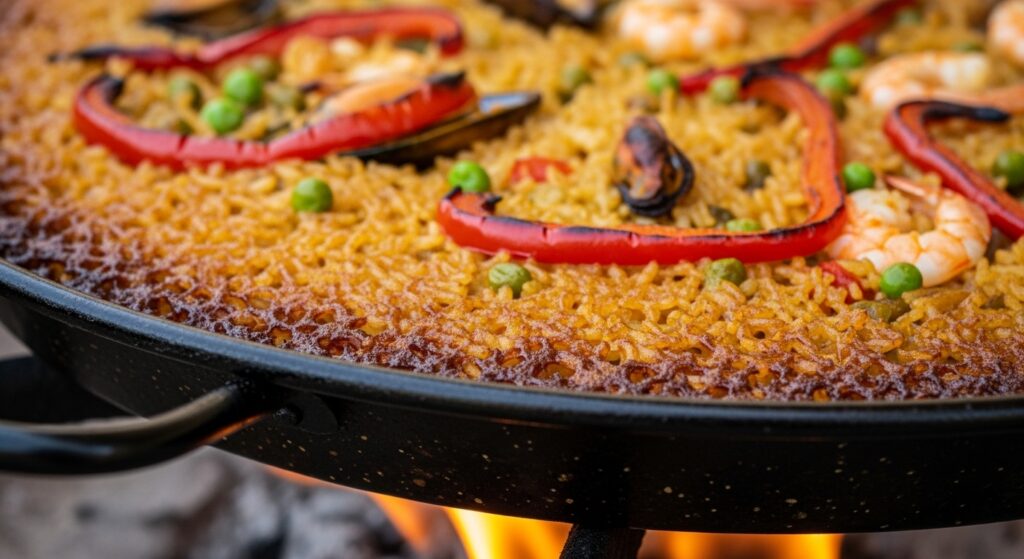
- Using long-grain rice for paella ruins the iconic socarrat crust.
- Using cracked wheat of the wrong grade makes bulgur dishes fall apart.
What To Use Instead:
- For tabbouleh, use fine bulgur #1
To know more about it, you may want to goo through our guide: Bulgur Wheat 101: How to Choose the Right One for Tabbouleh - For paella, use bomba or calasparra rice
- For pilafs, use medium-grain rice or bulgur #2.
Regional Variation:
- Turkey + Lebanon: Bulgur-based dishes.
- Spain: Highly absorbent rice cultivars.
- Greece: Kritharaki (orzo) for comforting stews.
4. Using Too Many Spices (or the Wrong Ones)
The Spices Mistake:
Thinking Mediterranean cooking is “heavily spiced.”
Why Spices Mistake Matters:
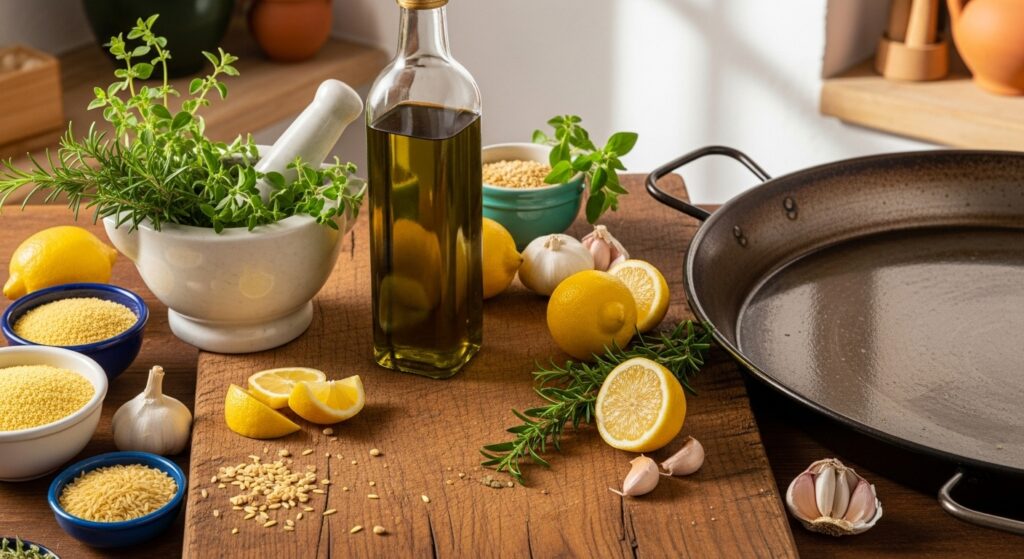
Mediterranean flavor comes mostly from fresh herbs, citrus, garlic and olive oil, not heavy spice blends.
What To Do Instead:
Use the herbs and aromatics common to each region:
- Greek: Dill, oregano and mint
- Lebanese: Parsley, mint, garlic and lemon
- Italian: Basil, rosemary and thyme
- Spanish: Smoked paprika and saffron
- Turkish: Cumin and Aleppo pepper
Expert Tip:
A Lebanese cook might say, “Fresh parsley is the spice.”
5. Using Dried Herbs When Fresh Herbs Matter
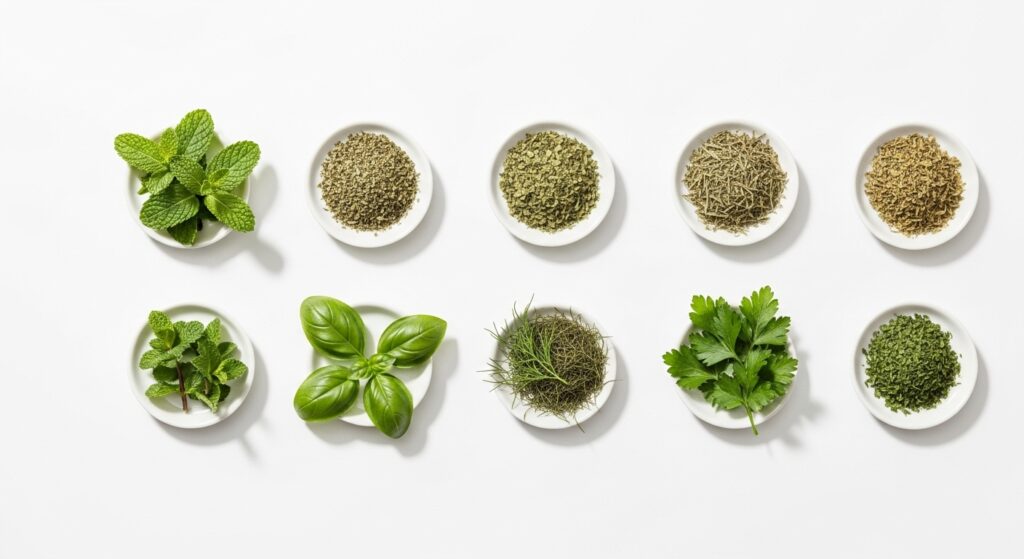
The Mistake with Herbs:
Replacing fresh herbs in salads or finishing dishes.
Why Fresh Herbs Matters:
Mediterranean cuisine is herb-forward. Also fresh herbs add aroma, color and brightness.
Use Fresh Herbs For:
- Tabbouleh
- Greek village salads
- Italian caprese
- Lebanese fattoush
- Gyro garnishes
You can also go through our Greek Gyro Meat Recipe
When Dried Herbs Are Acceptable:
- Dried oregano on Greek roasted potatoes
- Dried thyme for Lebanese chicken
- Dried mint in yogurt sauces
6. Overmixing or Overprocessing Dips
The Overmixing Mistake:
Beginners often blend hummus or tzatziki until gummy, watery or grainy.
Why This problem Matters:
Mediterranean dips rely on texture: smooth and creamy, but never overworked.
What To Do Instead:
- For hummus Recipe:
- Peel chickpeas or use a high-speed blender.
- Serve slightly chilled, but not icy cold.
- For tzatziki:
- Salt and drain cucumbers for 10-15 minutes.
- Salt and drain cucumbers for 10-15 minutes.
- For baba ghanoush:
- Mash by hand for a smoky, and rustic finish.
Regional Insight:
Lebanese and Syrian versions tend to be smoother; Turkish versions often have more texture.
7. Not Respecting Traditional Cooking Techniques
The Technique Mistake:
Skipping steps like toasting spices, searing meat, or layering ingredients.
Why Technique Matters:
Mediterranean cuisine relies heavily on technique, not just ingredients.
Examples:
- Spanish Paella: Not allowing socarrat to form
- Greek Spanakopita: Not brushing layers of phyllo properly.
- Turkish Kebabs: Not marinating long enough.
- Lebanese Rice: Not rinsing rice beforehand.
What Techniques To Use Instead:
- Embrace foundational techniques: sauté, sear, roast and reduce.
- Use proper layering for pastries and pilafs.
- Let meats rest to retain juices.
8. Oversweetening or Over-Spicing Mediterranean Desserts
The Desserts Mistake:
Adding too much sugar or syrup.
Why Addressing it Matters:
Mediterranean desserts like baklava or semolina cakes rely on balance.
What To Do Instead of This:
- Use light and warm syrups – never overly thick.
- Add citrus zest to brighten flavors.
- Add clove or cinnamon sparingly.
Example:
Greek & Turkish baklava should be crisp, not soggy.
9. Using Too Much Meat
The Meat Mistake:
Thinking Mediterranean diets are meat-heavy.
Why Too Much Meat Matters:
The traditional Mediterranean diet is plant-forward, with meat used sparingly for flavor – not volume.
What To Do Instead of Using Much Meat:
- Build meals around vegetables, legumes, grains and olive oil.
- Use meat as seasoning: small amounts of lamb, chicken or seafood.
- Add variety with beans, chickpeas and lentils.
Regional Context of Meat:
- Greek: Legume dishes like lentil soup (fakes).
- Lebanese: Chickpeas, beans and bulgur dominate.
- Italian: Pasta e ceci and minestrone.
- Spanish: Seafood-forward, especially in coastal areas.
10. Ignoring Acidity
The Acidity Mistake:
Cooking Mediterranean food without enough lemon, vinegar or tomatoes.
Why Ignoring Acidity Matters:
Mediterranean cuisine thrives on bright acidity to balance olive oil and herbs.
Use These Acids by Region:
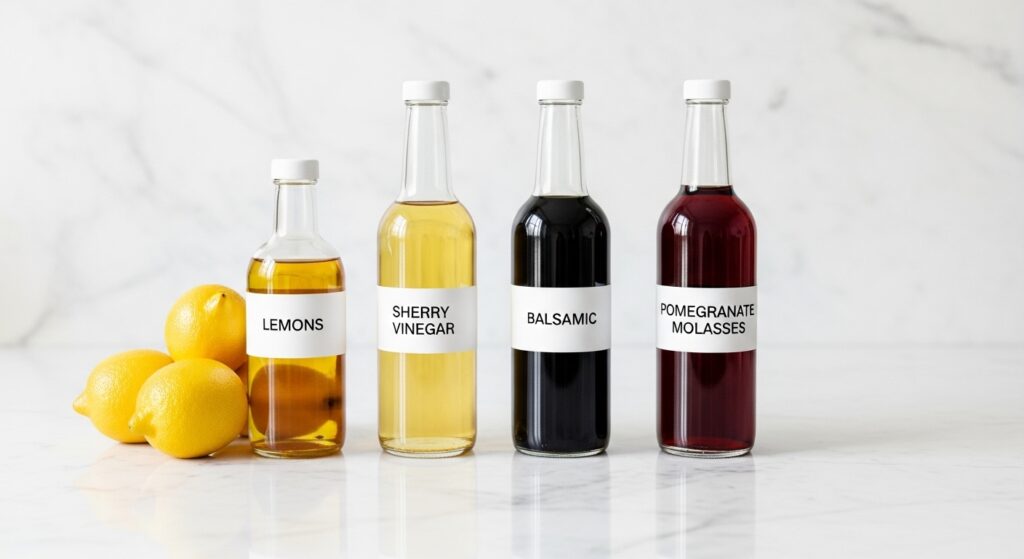
- Greek: Lemon in dressings, soups and marinades.
- Italian: Tomato-based sauces and balsamic vinegar.
- Lebanese: Lemon juice in salads and mezze.
- Spanish: Sherry vinegar in dressings.
- Turkish: Pomegranate molasses for rich tanginess.
What To Do Instead of This:
Finish dishes with:
- A squeeze of lemon
- A drizzle of vinegar
- A spoon of tomato paste sautéed into stews
- Pomegranate molasses for meats and salads
Mediterranean Cooking FAQ
1. Is Mediterranean cooking expensive?
Not necessarily! beans, vegetables, grains and legumes are inexpensive staples.
2. Do I need special cookware?
No, a good skillet, heavy pot and baking sheet work for 90% of recipes. But, paella pans or clay pots are optional.
3. Can I follow the Mediterranean diet as a beginner?
Yes, start by using olive oil, adding more vegetables and choosing whole grains.
4. Is Mediterranean food spicy?
Generally no, because most heat comes from mild peppers or paprika.
5. What meats are commonly used?
Mostly chicken, lamb and seafood. And beef is far less common.