

When the air turns crisp and the leaves begin to turn, there is nothing quite like the aroma of roasting squash wafting through the kitchen. While traditional lasagna often relies on heavy tomato sauces and meats, this Butternut Squash and Spinach Lasagna recipe offers a sophisticated, Mediterranean-inspired twist on a classic comfort dish.
By swapping acidic marinara for a velvety butternut squash purée and nutrient-dense spinach, we create a meal that is both indulgent and wholesome. This recipe celebrates the earthy sweetness of fall produce while maintaining the cheesy, layered satisfaction you expect from a world-class lasagna.
Why You’ll Love This Butternut Squash and Spinach Lasagna Recipe
Most people associate lasagna with Italian-American red sauce joints. However, the Mediterranean diet often emphasizes seasonal vegetables and healthy fats. This recipe is a “cornerstone” dish for a few reasons:
- Nutrient Dense: Packed with Vitamin A from the squash and iron from the spinach.
- Vegetarian Friendly: A show-stopping main course that will satisfy even the most devout meat-eaters.
- Make-Ahead Magic: Like most pasta bakes, the flavors deepen if prepared a day in advance.
- Textural Balance: The creaminess of the ricotta meets the slight bite of the spinach and the tender pasta.
If you enjoy the combination of winter squash and pasta, you might also want to try our roasted butternut squash orzo recipe, which offers a lighter take on these similar flavors.
Key Ingredients for Success
To achieve the perfect Butternut Squash and Spinach Lasagna recipe, quality ingredients are paramount. Here is what you will need:
1. The Butternut Squash Base
Instead of a traditional Béchamel or marinara, we use a roasted butternut squash purée. Roasting the squash concentrates its sugars, providing a natural sweetness that pairs beautifully with savory herbs like sage and nutmeg. If you’re looking for more ways to use this vegetable, check out our roasted brussels sprouts and butternut squash side dish.
2. The Spinach and Ricotta Filling
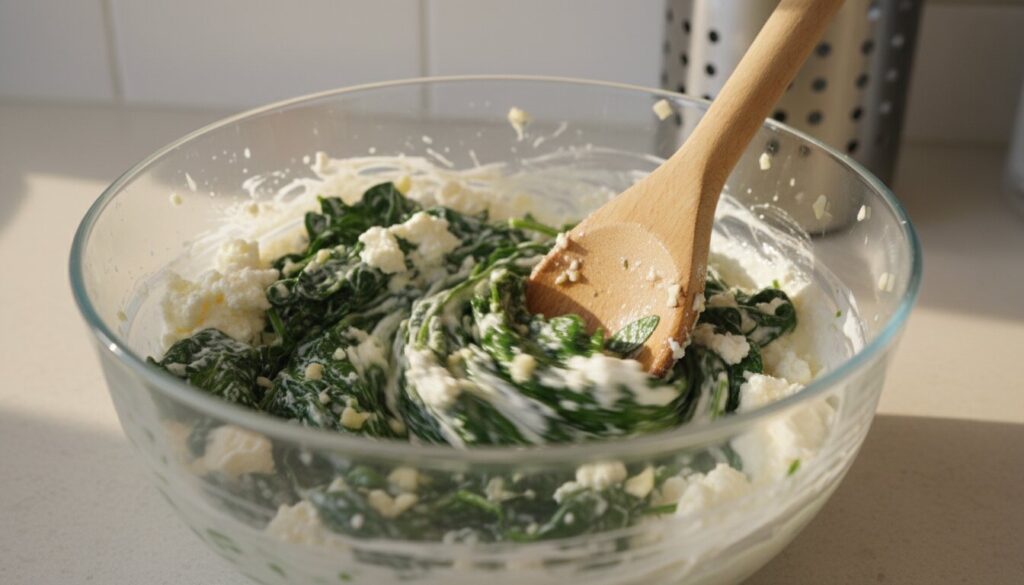
We use fresh baby spinach sautéed with garlic. This is folded into a mixture of whole-milk ricotta and parmesan cheese. This combination is a staple in Mediterranean cooking—very similar to the filling found in a traditional Spanakopita recipe.
3. The Aromatics
Fresh sage is the “secret weapon” here. Sage and butternut squash are a match made in culinary heaven. A pinch of nutmeg in the cheese mixture also elevates the dish, giving it that professional “chef’s touch.”
Step-by-Step Guide: How to Assemble Your Lasagna

Preparing the Squash
Start by peeling and cubing your squash. Toss it with olive oil, salt, and pepper, and roast at 200°C (400°F) until tender. Once cooled, blend it with a splash of vegetable broth or cream until it reaches a smooth, spreadable consistency.
Sautéing the Greens
Sauté your spinach until just wilted. It is crucial to squeeze out any excess moisture from the spinach after cooking. If the spinach is too wet, your lasagna will become watery. This technique is also vital when making a sun-dried tomato, spinach, and ricotta grilled cheese.
The Layering Process
- Bottom Layer: A thin spread of squash purée to prevent the noodles from sticking.
- The Noodles: Use no-boil lasagna noodles for convenience, or traditional noodles cooked al dente.
- The Cheese: A generous layer of the spinach-ricotta-garlic mixture.
- Repeat: Continue the layers until you reach the top of the pan.
- The Finish: Top with a final layer of squash purée and a heavy dusting of mozzarella and parmesan.

Ingredients
Method
- Roast the Squash: Preheat oven to 200°C. Toss squash cubes with olive oil, salt, and pepper. Roast for 25–30 minutes until soft.
- Make Purée: Place roasted squash in a blender with vegetable broth and minced sage. Blend until smooth. Set aside.
- Prepare Spinach Mixture: In a large bowl, combine the ricotta, cooked/drained spinach, garlic, egg, nutmeg, and half of the parmesan.
- Layer: In a 9×13 inch baking dish, spread 1/2 cup squash purée. Add a layer of noodles. Spread 1/3 of the ricotta mixture, then 1/3 of the remaining squash purée. Sprinkle with mozzarella.
- Repeat: Repeat layers twice more. Top the final layer of noodles with the remaining squash purée, mozzarella, and the rest of the parmesan.
- Bake: Cover with foil and bake at 190°C for 30 minutes. Remove foil and bake for another 15 minutes until the cheese is bubbly and golden.
- Rest: Let stand for 15 minutes before serving. Garnish with fresh sage.
Notes
- Drain the Spinach: After sautéing, squeeze the spinach in a clean kitchen towel or fine-mesh strainer. Removing excess water prevents a “soupy” lasagna.
- Noodle Hack: If using no-boil noodles, ensure they are completely covered by the squash purée or cheese. Exposed edges may remain crunchy after baking.
- Flavor Boost: For deeper aromatics, brown the butter slightly before blending it into the butternut squash purée.
- The “Clean Cut” Rule: Always let the lasagna rest for 15–20 minutes post-oven. This allows the proteins in the cheese and the starches in the squash to set, ensuring perfect layers when sliced.
- Make-Ahead Tip: You can assemble the entire dish up to 24 hours in advance. If baking straight from the fridge, add 10 minutes to the covered baking time.
- Freezing: This recipe freezes excellently. Wrap tightly in plastic and foil; it will stay fresh for up to 3 months. Thaw overnight in the fridge before reheating.
Expert Tips for the Best Results
- Don’t Overcook the Pasta: If using boil-first noodles, undercook them by 2 minutes. They will finish cooking in the oven by absorbing the moisture from the squash.
- Let it Rest: This is the most important tip! Let the lasagna sit for at least 15–20 minutes after taking it out of the oven. This allows the layers to set so you get clean, beautiful slices.
- Add a Side: Balance the richness of the lasagna with a crisp, acidic salad. A Fattoush recipe or a simple baladi salad recipe provides the perfect contrast.
Frequently Asked Questions
Can I make this vegan?
Yes! You can substitute the ricotta with a tofu-based ricotta or almond-based cheese, and use a vegan mozzarella alternative. The butternut squash purée is naturally vegan and provides much of the creaminess.
How do I store leftovers?
This lasagna stays fresh in the refrigerator for up to 4 days. It also freezes beautifully. Simply wrap individual slices in foil and place them in a freezer bag for up to 3 months.
What should I serve with this?
Since this is a rich dish, we recommend something light. A Greek Quinoa Salad Recipe or even some roasted broccoli recipe would complement the flavors without overwhelming the palate.